1
SLS IMPLEMENTATION GUIDE FOR MEDICAL-SURGICAL NURSING
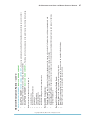
Scenario
Patient Data
Est. Scenario Time*
Est. Debriefing Time*
Scenario
Skills
13
Scenario Presentation
and Diagnoses
Primary Simulation
Challenge
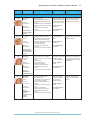
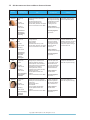
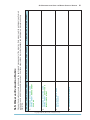
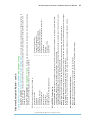
• Conduct assessment
• Recognize fluid volume overload and
hyperglycemia.
• Elevate head of bed
• Titrate oxygen
• Notify provider
• Administer IV furosemide per order
• Administer SQ insulin per order
• Decrease rate of IV fluid per order
• Provide patient education and
support
• Access and document care in EMR
Patient admitted for
wound debridement of
gangrenous leg
experiences postoperative
fluid volume overload and
hyperglycemia.
Learner assesses and manages
care for a postoperative patient
experiencing fluid volume overload and hyperglycemia.
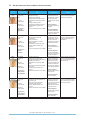
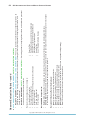
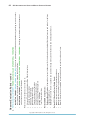
• Conduct assessment
• Recognize digoxin toxicity,
hypokalemia, and hypotension
• Notify provider
• Hold digoxin and metoprolol
• Administer PO potassium
• Provide patient education and
support
• Access and document care in EMR
Patient admitted to
skilled nursing facility
experiences digoxin
toxicity, hypokalemia,
and hypotension.
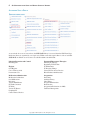
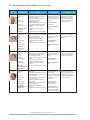
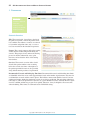
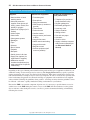
CARDIOVASCULAR
MS-07
Advanced
Carmen Gonzales
56-year-old
Female
Scenario:
15-20 minutes
Debriefing:
15-20 minutes
Heart Failure,
Diabetes, &
Osteomyelitis |
Fluid Overload &
Hyperglycemia
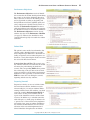
MS-08
Basic
Delores Gallegos
82-year-old
Female
Scenario:
15-20 minutes
Debriefing:
15-20 minutes
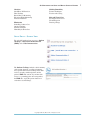
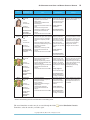
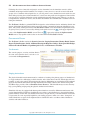
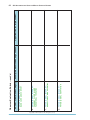
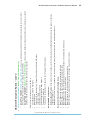
Julia Parker
51-year-old
Female
Scenario:
20-25 minutes
Debriefing:
20-25 minutes
Myocardial
Infarction |
Management of
Stable Patient
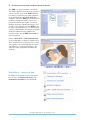
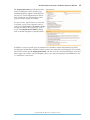
MS-10
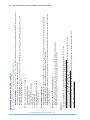
Advanced
Julia Parker
51-year-old
Female
Scenario:
20-25 minutes
Debriefing:
20-25 minutes
Myocardial
Infarction |
Management of
Unstable Patient
Secondary diagnosis:
Diabetes mellitus type 2,
coronary artery disease,
heart failure, hypertension
Learner assesses and manages
care for patient in skilled nursing
facility experiencing digoxin
toxicity, hypokalemia, and
hypotension.
Primary diagnosis:
Heart failure
Secondary diagnosis:
Atrial fibrillation
Heart Failure |
Digoxin Toxicty &
Hypokalemia
MS-09
Basic
Primary diagnosis:
Osteomyelitis and
gangrene of left leg
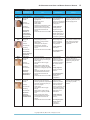
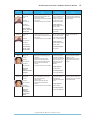
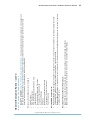
• Conduct assessment
• Recognize chest pain, hypertension,
and anxiety as signs of evolving MI
• Titrate oxygen
• Calm patient to reduce oxygen
demand
• Notify provider of status change
• Administer IV metoprolol per order
• Administer SL nitroglycerin per PRN
order
• Decreasing IV fluid rate per order
• Coordinate ECG and blood work
• Provide patient education and
support
• Access and document care in EMR
Patient admitted to
inpatient unit with
suspected myocardial
infarction experiences
hypertension and chest
pain. Patient remains
stable.
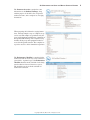
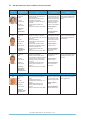
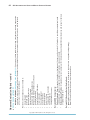
• Conduct assessment
• Recognize chest and back pain,
nausea, hypertension, and premature
ventricular contractions (PVCs) as
signs of evolving MI
• Titrate oxygen
• Calm patient to reduce oxygen
demand
• Notify provider of status change
• Administer IV morphine per PRN
order
• Begin IV nitroglycerin infusion
• Coordinate ECG and blood work
• Provide patient education and
support
• Access and document care in EMR
Patient admitted to
inpatient unit with
suspected myocardial
infarction experiences
chest and back pain,
nausea, hypertension, and
PVCs. Patient becomes
unstable if morphine and
nitroglycerin are not
administered.
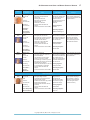
Learner assesses and manages
care for a patient with a
suspected myocardial infarction
experiencing chest pain and
hypertension.
Primary diagnosis:
Rule out myocardial
infarction
Secondary diagnosis:
Diabetes mellitus,
hypertension,
hyperlipidemia
Primary diagnosis:
Rule out myocardial
infarction
Secondary diagnosis:
Diabetes mellitus,
hypertension,
hyperlipidemia
Copyright © 2011 by Elsevier Inc. All rights reserved.
Learner assesses and manages
care for a patient experiencing
an evolving myocardial
infarction.