1
14
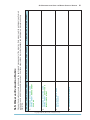
SLS IMPLEMENTATION GUIDE FOR MEDICAL-SURGICAL NURSING
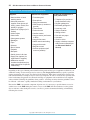
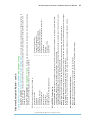
Scenario
Patient Data
Est. Scenario Time*
Est. Debriefing Time*
Scenario
Skills
Scenario Presentation
and Diagnoses
Primary Simulation
Challenge
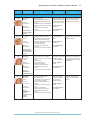
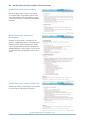
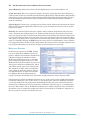
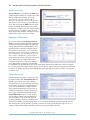
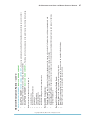
Patient admitted for
subarachnoid hemorrhage
with progressive neurological deterioration requires
basic tracheostomy
suctioning and care.
Learner assesses and provides
tracheostomy suctioning and
care for unresponsive patient.
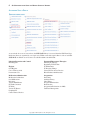
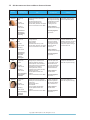
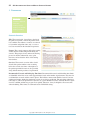
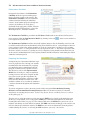
NEUROLOGICAL
MS-11
Advanced
Goro Oishi
66-year-old
Male
Scenario:
15-20 minutes
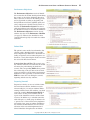
MS-12
Basic
• Conduct assessment
• Recognize need for tracheostomy
suctioning
• Suction tracheostomy tube
• Perform tracheostomy care
• Provide family education and support
• Access and document care in EMR
Debriefing:
15-20 minutes
Primary diagnosis:
Subarachnoid hemorrhage
Subarachnoid
Hemorrhage |
Tracheostomy
Suctioning
Secondary diagnosis:
Hypertension
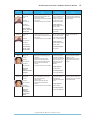
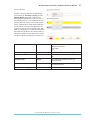
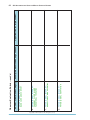
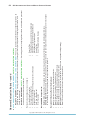
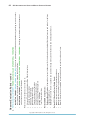
Goro Oishi
66-year-old
Male
Scenario:
15-20 minutes
•
•
•
•
•
•
•
Conduct post-procedure assessment
Recognize bleed
Apply pressure
Notify provider
Administer fluid bolus per order
Provide family education and support
Access and document care in EMR
Debriefing:
15-20 minutes
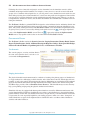
MS-14
Advanced
Secondary diagnosis:
Hypertension
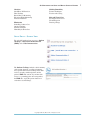
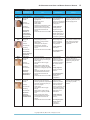
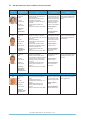
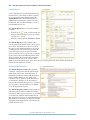
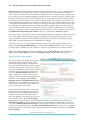
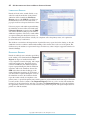
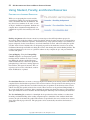
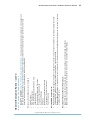
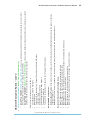
Andrea Wang
20-year-old
Female
• Conduct assessment
• Recognize pain, atelectasis, and
patient’s frustrations with injury
• Use therapeutic communication to
Scenario:
allow patient to discuss frustrations
15-20 minutes
• Administer pain medication
• Assist patient with incentive
Debriefing:
spirometry and coughing and deep
15-20 minutes
breathing exercises
• Provide patient education and
Spinal Cord Injury |
support
Postoperative
• Access and document care in EMR
Atelectasis
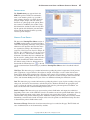
Patient admitted for spinal
fusion after spinal cord
injury complains of pain
and frustration about
injury. She exhibits signs
and symptoms of postoperative atelectasis.
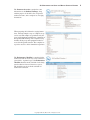
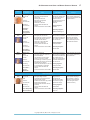
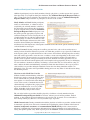
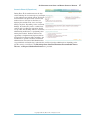
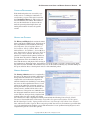
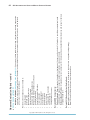
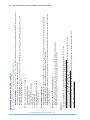
Andrea Wang
20-year-old
Female
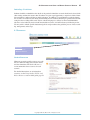
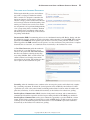
Patient with impaired
sensation experiences
autonomic dysreflexia
after not being catheterized for several hours.
Scenario:
20-25 minutes
Debriefing:
20-25 minutes
Spinal Cord Injury |
Autonomic
Dysreflexia
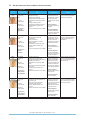
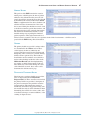
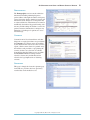
Learner conducts postprocedural assessment and
identifies hypotension and bleed
from catheter puncture site in
unresponsive patient. Manages
and coordinates care.
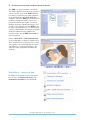
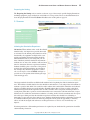
Primary diagnosis:
Subarachnoid hemorrhage
Subarachnoid
Hemorrhage |
Bleed after
Cerebral
Arteriogram
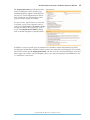
MS-13
Basic
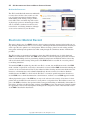
Patient admitted for
subarachnoid hemorrhage
returns from cerebral
arteriogram and experiences hypotension and
bleed from catheter
puncture site.
• Conduct assessment
• Recognize autonomic dysreflexia
• Identify time of last catheterization as
8 hours ago
• Elevate head of bed
• Scan bladder
• Perform straight catheterization
• Provide patient education and
support
• Access and document care in EMR
Learner assesses and manages
postoperative atelectasis in a
patient with a spinal cord injury.
Primary diagnosis:
T6 burst fracture
Secondary diagnosis:
Spinal fusion
Primary diagnosis:
T6 burst fracture
Secondary diagnosis:
Spinal fusion
Copyright © 2011 by Elsevier Inc. All rights reserved.
Learner assesses and manages
autonomic dysreflexia in a
patient with a spinal cord injury.