1
46
SLS IMPLEMENTATION GUIDE FOR MEDICAL-SURGICAL NURSING
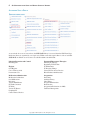
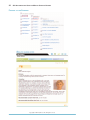
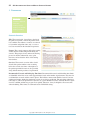
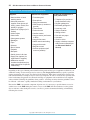
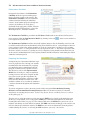
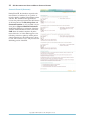
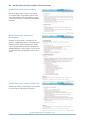
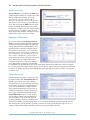
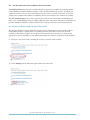
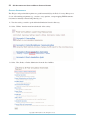
Special Monitoring. Information related to PCA Pump Monitoring can be found within this tab.
System Assessment. This tab is organized according to biological and psychosocial systems: Respiratory,
Cardiovascular, Neurologic, Gastrointestinal, Genitourinary/Reproductive, Musculoskeletal, Integumentary,
and Psychosocial. Any assessments completed during simulation should be documented in this section by
the student. Student learning activities using assessment data include identifying abnormal findings or
trends in assessments.
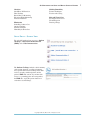
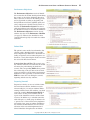
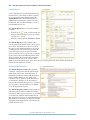
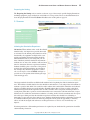
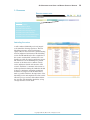
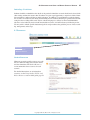
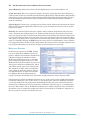
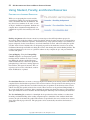
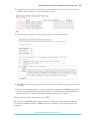
Safety & Hygiene. Patient safety is paramount in any clinical setting. Students must document the fall risk
and basic safety measures implemented. This interactive page also details interventions related to patient
hygiene and comfort.
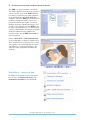
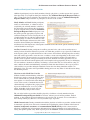
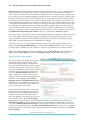
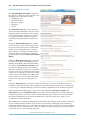
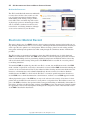
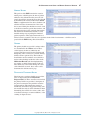
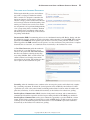
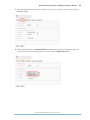
Restraints. For simulated patients who have restraints ordered, students should use this interactive flow
sheet to document the restrained patient’s care. Students should ensure that the patient has the restraints
removed at appropriate intervals and has been offered nutrition and toileting; that alternative clinical activities have been offered; and that the neurovascular status of the restrained area has been documented. Rules
and regulations regarding the use of restraints in the clinical setting and the impact of restraints on patient’s
rights are continually changing; the EMR reflects the current practice recommendations at time of publication. Suggested learning activities include asking students the rationale for these changing regulations and
how proper documentation can ensure that the rights of restrained patients are protected.
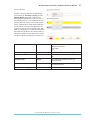
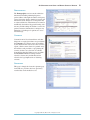
MEDICATION RECORDS
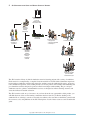
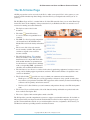
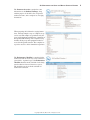
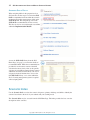
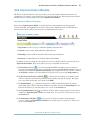
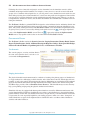
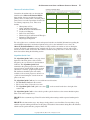
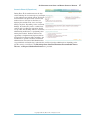
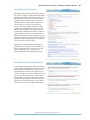
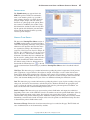
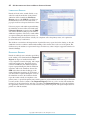
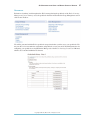
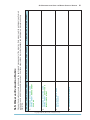
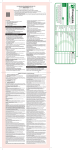
In this interactive portion of the EMR, students
can review medications administered since the
patient’s admission and document all medications
administered during the simulation scenario.
Medication administration errors are among the
most common preventable medical errors. The
Medication Records allow students to practice the
skill of proper medication administration, which
will enhance patient safety in the clinical setting.
The student can carefully reference medication
orders, check for medication allergies, and practice implementing the six rights of safe medication administration in the simulated clinical
setting. Practicing in the simulation lab will enhance student performance of these important skills.
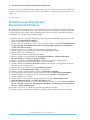
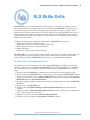
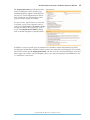
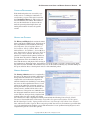
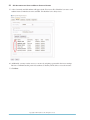
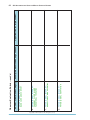
Only medications ordered and administered before the start of the scenario will be included in the Medication Records. During the course of the scenario, if a new medication is ordered or administered, students
can enter the medication order in the Orders and the Medication Records section and document that the
medication was administered. Once the medication is administered, the time appears as a strikethrough in
the record. The facilitator can use the Medication Records list to facilitate discussion of the classification,
mechanism of action, and nursing considerations related to the medications, in addition to asking the student to provide the rationale for the medication order.
Copyright © 2011 by Elsevier Inc. All rights reserved.