1
The Prototype
7.3 Design
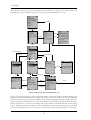
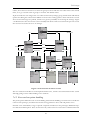
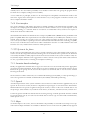
This section will go through the design phase, and is illustrated by class-, state-, sequence-, and collaboration diagrams. A class diagram shows how the classes of a system relate to one another, while the state
diagram focuses on the state changes in just one object. While the sequence diagrams shows how object
communicates with each other over time, collaboration-diagrams shows how objects interact accordance
to space.
7.3.1 The Architecture
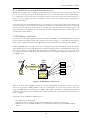
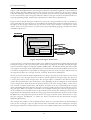
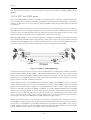
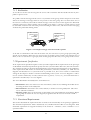
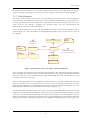
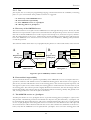
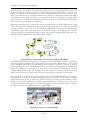
The architecture is dependent on the network technology used. This prototype will use the JXTA network technology presented in chapter 5, and the JXTA for J2ME (JXME) package that is designed for
J2ME enabled devices.
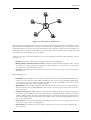
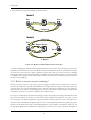
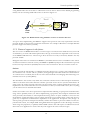
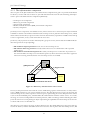
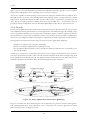
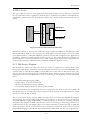
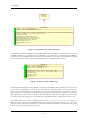
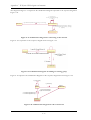
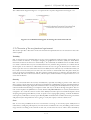
Figure 7-11 The architecture of the ITSSystem
Mobile devices, represented as cell phones in Figure 7-11, are dependent upon a relay/proxy server on
the Internet to connect to the JXTA network. The proxy servers are responsible for forwarding messages
to the appropriate ITSSystem client by sending it to the proxy server where that particular client is registered.
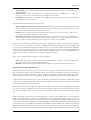
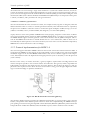
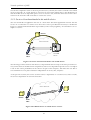
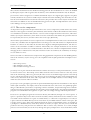
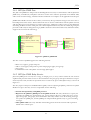
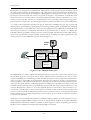
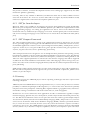
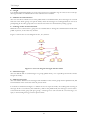
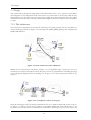
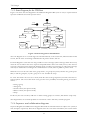
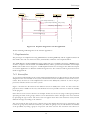
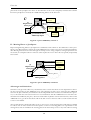
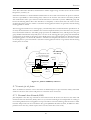
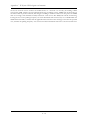
Figure 7-12 A cell phone connect to the proxy
Network technologies used for transport will influence the way a mobile terminal will connect to the relay. Figure 7-12 shows a scenario for a cell phone using GSM or GPRS. The client will then have to use
to connect via a wireless link to a terminal access server before connecting to a proxy server. This is the
70