1
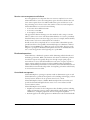
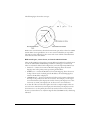
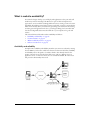
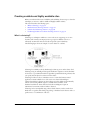
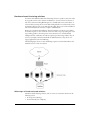
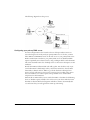
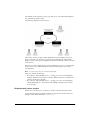
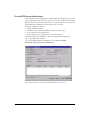
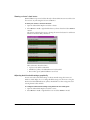
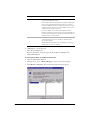
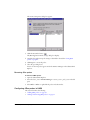
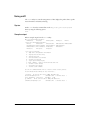
The following diagram shows this process:
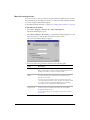
Configuring your primary DNS server
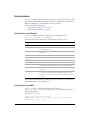
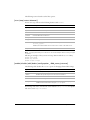
You must configure DNS so the forward and reverse lookup translation entries are
entered and registered correctly with your primary DNS server. To do this, you must
define DNS A and PTR DNS records for the web servers on your primary DNS server.
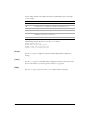
Besides standard name translations, your primary DNS server can distribute HTTP
requests sequentially across clustered servers, using a technique called round-robin DNS.
This service lets DNS return a list of multiple servers to the browser that requests a name
translation.
Round-robin DNS and ClusterCATS work well together. You should not rely on just
round-robin DNS for distributing load for your business-critical sites, because DNS
functionality is limited. In short, DNS is a good load distribution technique, but it
cannot manage load because it cannot react to increases in server traffic. It also cannot
detect server failures, nor redirect requests among available servers. ClusterCATS
compensates for these limitations.
Macromedia recommends that you use round-robin DNS or a hardware load-balancing
device to distribute requests initially to the web servers in your cluster. After the initial
distribution, ClusterCATS load management and failover features automatically take
over and ensure that your web applications remain up and running.
36
Chapter 3 Installing ClusterCATS