1
Section 2 OVERVIEW OF THE AQUA SPACECRAFT
2.2.2 Atmospheric Infrared Sounder (AIRS)
(1) Mission Overview
AIRS is designed to meet the NOAA requirement of a high-resolution infrared (IR) sounder to
fly on future operational weather satellites. AIRS, AMSU, and HSB measurements are analyzed
jointly to filter out the effects of clouds from the infrared data in order to derive clear-column air
temperature profiles and surface temperatures with high vertical resolution and accuracy.
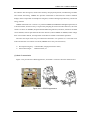
AIRS is a high-resolution sounder which consists of the IR Spectrometer and the Visible and
Near IR sensor. The IR Spectrometer covers the spectral range between 3.74 and 15.4 µm to
measure simultaneously in 2,378 spectral channels (spectral resolution (λ/∆λ) is 1,200). The Visible
and Near IR sensor covers the spectral range between 0.4 and 1.0 µm to measure in 4 channels. The
high spectral resolution enables the separation of the contribution of unwanted spectral emissions
and, in particular, provides spectrally clean “super windows,” which are ideal for surface
observations.
Development Agency: NASA/JPL (Jet Propulsion Laboratory)
Observation Targets: Atmospheric Temperature Profiles, Humidity Profile, Total
Precipitable Water, Fractional Cloud Cover, Cloud Top Height,
Cloud Top Temperature, Skin Surface Temperature, Day/Night
Surface Temperature Difference, Outgoing Day/Night Longwave
Surface Flux, Sea Surface Temperature, Precipitation Estimate,
Tropopause and Stratopause Height, Outgoing Longwave Spectral
Radiation, Cloud Optical Thickness, Surface Spectral Emissivity,
Surface Albedo, Net Shortwave Flux
(2) Main Characteristics
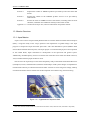
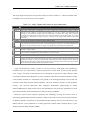
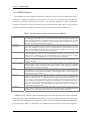
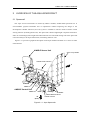
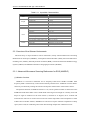
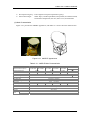
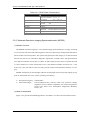
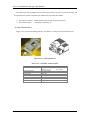
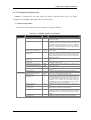
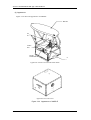
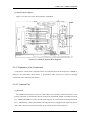
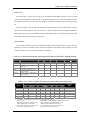
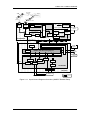
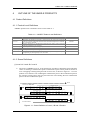
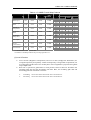
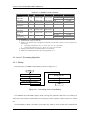
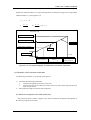
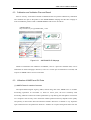
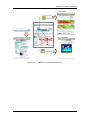
Figure 2.2-2 provides the AIRS appearance, and Table 2.2-2 shows the main characteristics.
Figure 2.2-2 AIRS Appearance
2-4













![[English] 1 MB](http://vs1.manualzilla.com/store/data/005724727_1-d0907da86b06d0402fef0dce028404c5-150x150.png)