1
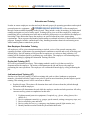
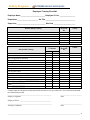
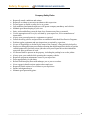
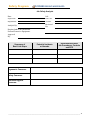
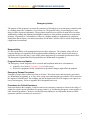
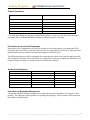
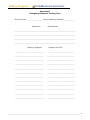
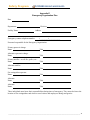
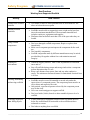
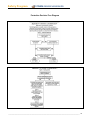
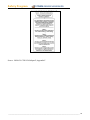
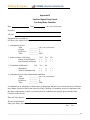
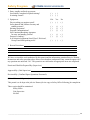
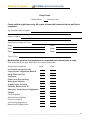
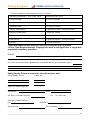
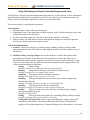
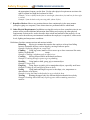
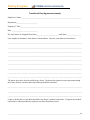
Safety Program PUTZHEIM CRESCENT INCORPORATED Emergency Action The purpose of this program is to ensure the protection of all employees in an emergency situation such as a tornado, hurricane, earthquake, severe storm, etc. The personal safety of each employee is and always will be of primary importance. The procedure should be reviewed for all main office locations. Additionally, training and planning should address employees who perform operations at construction locations. If operating as a subcontractor, Officer or company manager is responsible for employees should learn the emergency evacuation procedures for the host’s location. This is critical if operating in a high hazard environment. Responsibility It is the responsibility of the management to protect their employees. The company safety officer or company manager is responsible for this program and has authority to make necessary decisions to ensure the success for this plan. Copies of the written program may be obtained from the main office. The Emergency Organization Plan responsibilities are documented in Appendix E. Program Review and Update The Emergency Action Program will be reviewed and/or updated under these circumstances: Annually, on or before (22 October 2014) of each year or When new equipment, facility construction or personnel changes might affect the program. Emergency Escape Procedures Emergency escape routes will be kept clear at all times. The escape routes and emergency procedures are documented in Appendix A. A copy of the escape route and emergency procedures will be posted on the employee bulletin board. This company also has designated safe areas for employees to report to in case of an emergency. Refer to Appendix B for designated safe areas. Procedures for Critical Operations Some operations in this company, in which control in an emergency situation is critical to the safety of employees, require special procedures for proper control (e.g., monitoring plan power, water supplies, or other essential operations). In these cases the following employees are responsible for these critical operations until their evacuation is necessary**: ______________________________________________________________________________________________________________ 40