1
56
BERKELEY LOGO 6.0
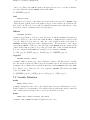
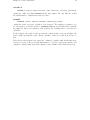
outputs a list of three numbers: the minimum, default, and maximum number of inputs
for the procedure whose name is the input. It is an error if there is no such procedure. A
maximum of -1 means that the number of inputs is unlimited.
nodes
NODES
outputs a list of two numbers. The first represents the number of nodes of memory currently
in use. The second shows the maximum number of nodes that have been in use at any time
since the last invocation of NODES. (A node is a small block of computer memory as used
by Logo. Each number uses one node. Each non-numeric word uses one node, plus some
non-node memory for the characters in the word. Each array takes one node, plus some
non-node memory, as well as the memory required by its elements. Each list requires one
node per element, as well as the memory within the elements.) If you want to track the
memory use of an algorithm, it is best if you invoke GC at the beginning of each iteration,
since otherwise the maximum will include storage that is unused but not yet collected.
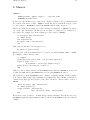
7.6 Workspace Inspection
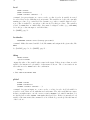
po
PRINTOUT contentslist
PO contentslist
command. Prints to the write stream the definitions of all procedures, variables, and property lists named in the input contents list.
poall
POALL (library procedure)
command. Prints all unburied definitions in the workspace. Abbreviates PO CONTENTS.
See [CONTENTS], page 54 .
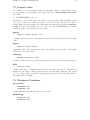
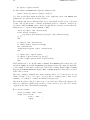
pops
POPS (library procedure)
command. Prints the definitions of all unburied procedures in the workspace. Abbreviates
PO PROCEDURES.
See [PO], page 56 , [PROCEDURES], page 55 .
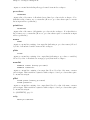
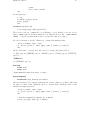
pons
PONS (library procedure)
command. Prints the definitions of all unburied variables in the workspace. Abbreviates
PO NAMES.
See [PO], page 56 , [NAMES], page 55 .