1
Instrument Quality Control
Use instrument quality control (QC) to ensure consistent instrument performance
over time.
During instrument QC, you want to keep as many parameters constant as
possible. For example, always use the same QC particle type and lot number,
sheath pressure, and PMT settings. If you work with different sheath pressures,
you might consider having a separate QC Experiment for each pressure.
When the experiment, instrument settings, and QC sample are constant, changes
in the recorded means and CVs indicate variations in instrument performance
over time. QC data should be analyzed for trends over 30–60 runs.
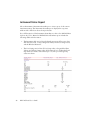
This section describes how to use a QC experiment template to verify laser delay
and area scaling values, and how to record parameter means and CVs for a
fluorescent bead. For examples of fluorescent particles that can be used for
instrument QC, see Instrument Setup Particles on page 238.
NOTICE QC results are affected by laser and fluidics performance. BD strongly
recommends following the laser and fluidics maintenance procedures in
Chapter 6.
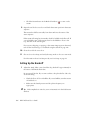
Setting Up the QC Experiment
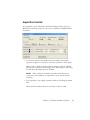
The steps in this section show you how to set up an experiment for instrument
QC. If you have already created a similar experiment, you can reuse it by
duplicating the most recent specimen. See Reusing the Experiment on page 125.
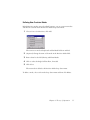
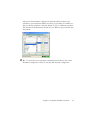
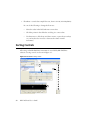
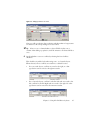
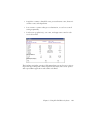
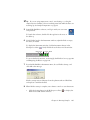
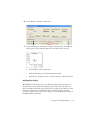
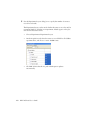
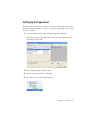
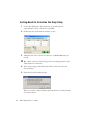
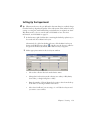
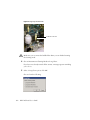
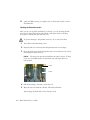
1 Choose Instrument > Instrument Configuration and set the current
configuration to FACSAria.
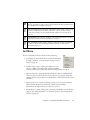
Tip The FACSAria configuration contains the most complete set of
fluorochromes, thus should be applicable for most assays.
Chapter 4: Running Samples
113