1
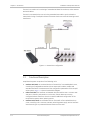
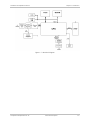
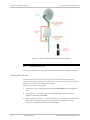
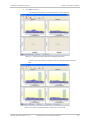
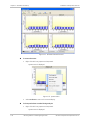
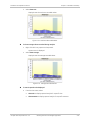
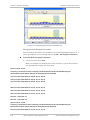
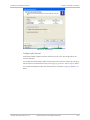
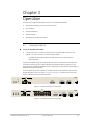
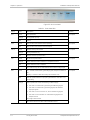
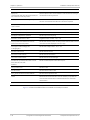
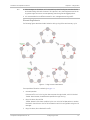
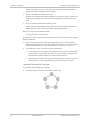
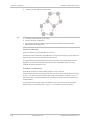
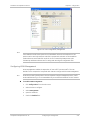
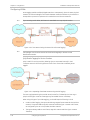
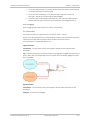
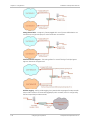
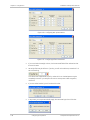
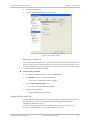
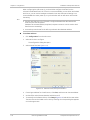
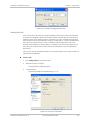
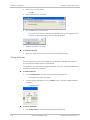
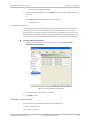
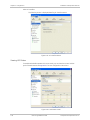
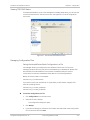
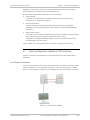
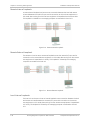
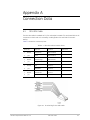
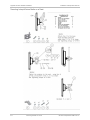
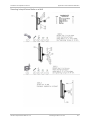
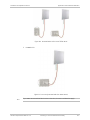
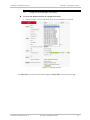
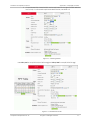
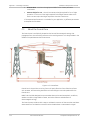
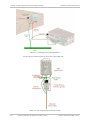
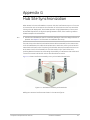
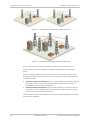
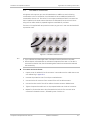
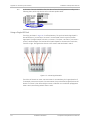
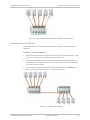
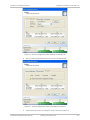
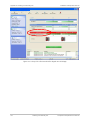
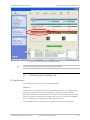
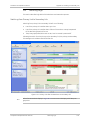
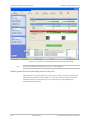
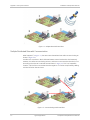
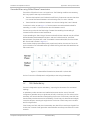
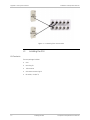
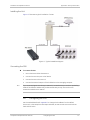
Appendix G Hub Site Synchronization When several units are collocated at a common hub site, interference may occur from one unit to another. ODU units support the collocation of more than two units at a central site. Like any other RF deployment, the wireless operation is highly dependent on factors such as available frequencies, the physical spacing between radios, other interfering radios or GE MDS Intrepid units are installed. Note HSS does not eliminate the need for careful RF planning to ensure the design will work as planned. See Chapter 2 for information on installation site survey. The Hub Site Synchronization (HSS) method uses a cable connected from the master ODU to all collocated ODUs; this cable carries pulses sent to each ODU, which synchronize their transmission with each other. The pulse synchronization ensures that transmission occurs at the same time for all collocated units. This also results in all of the hub site units receiving data at the same time, eliminating the possibility of interference that could result if some units transmit while other units at the same location receive. Figure G-1 shows interference caused by non-synchronized collocated units. Figure G-1. Interference Caused by Collocated Units Adding HSS removes interference as shown in the next two figures: Intrepid and Intrepid Ultra User Manual Hardware Installation G-1