1
models. 4.2.2
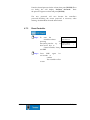
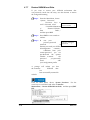
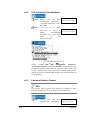
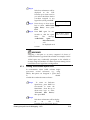
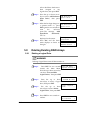
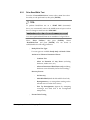
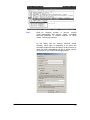
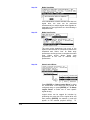
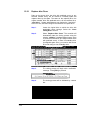
Channel ID Configuration
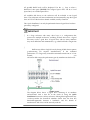
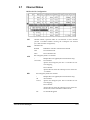
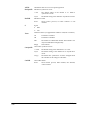
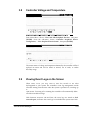
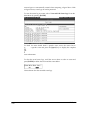
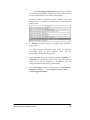
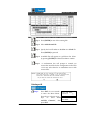
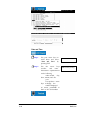
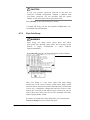
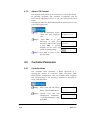
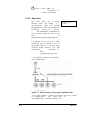
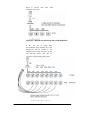
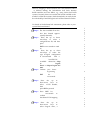
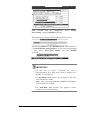
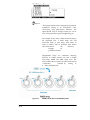
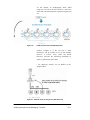
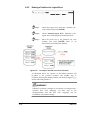
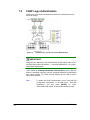
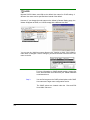
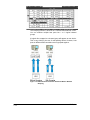
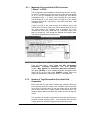
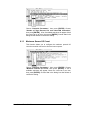
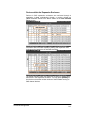
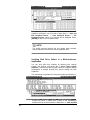
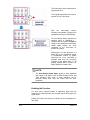
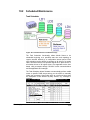
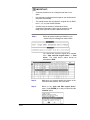
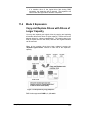
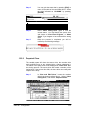
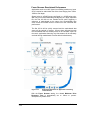
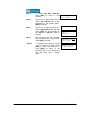
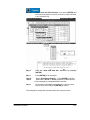
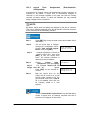
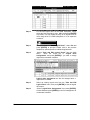
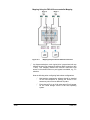
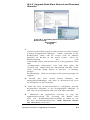
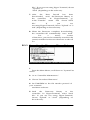
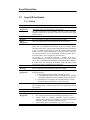
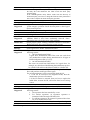
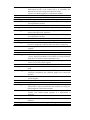
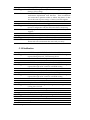
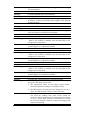
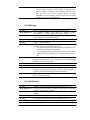
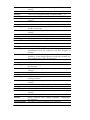
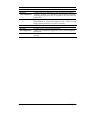
Each host channel comes with a default ID, which will not be sufficient if your subsystem comes in a dual‐active controller configuration. In a dual‐active controller configuration, you need to manually create Controller B IDs to distribute the workload between partner RAID controllers. T
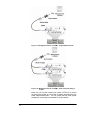
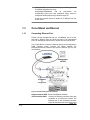
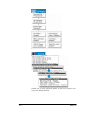
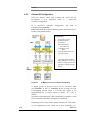
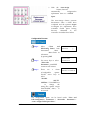
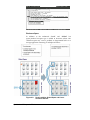
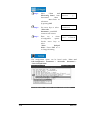
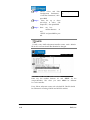
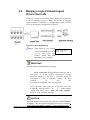
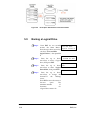
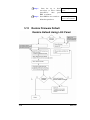
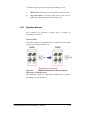
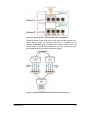
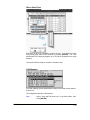
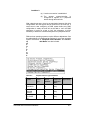
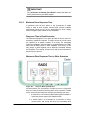
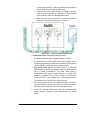
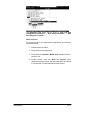
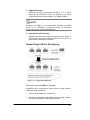
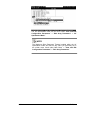
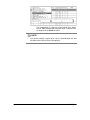
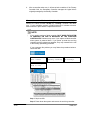
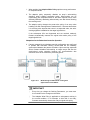
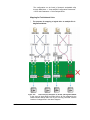
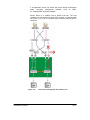
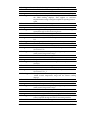
he idea is diagrammed below: Configuration: 1.
2.
3.
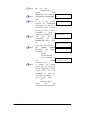
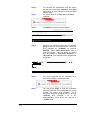
2 logical drives (LD) LD LUN mapping associations LD0: CH0 AID0 & CH1 AID0 LD1
: CH0 BID1 & CH1
BID1 Controller B IDs need to be manually created. •
Note that in this example a multi‐pathing software is req
uired to manage the fault‐tole
rant links to a RAID storage v
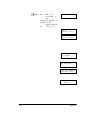
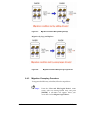
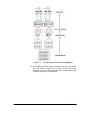
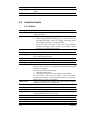
olume. Figure 4-1:
ID Mapping for Cross-controller Load Sharing
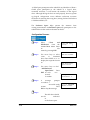
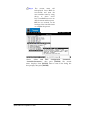
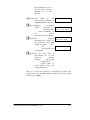
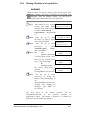
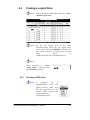
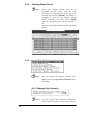
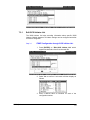
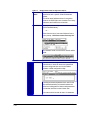
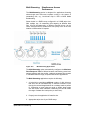
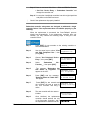
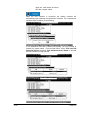
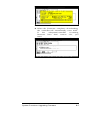
A logical group of physical drives can be associated either with Controller A IDs or Controller B IDs through the host LUN mapping process. These A or B IDs then appear to the application servers as storage capacity volumes. As a rule of thumb, a logical drive associated with A IDs is managed by Controller A. One t
hat is associated with B IDs is managed by Controller B. Depending on how many RAID capacity volumes you wish visible to your application servers, create one or more Controller A or 4-10
RAID, Inc.