1
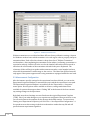
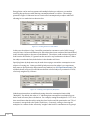
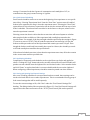
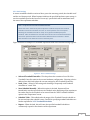
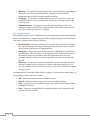
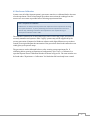
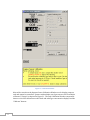
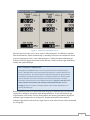
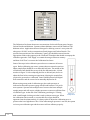
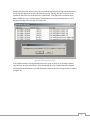
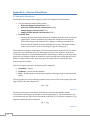
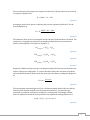
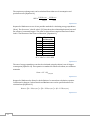
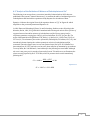
Synchronously with the metabolic data. Consumption data for a chamber is measured and logged at the same time as the metabolic data for that chamber. This data appears under the “Feeding” tab and is stored in the .CDTA file. Asynchronously as the animal interacts with its food. Each time the balance is disturbed the software keeps track of how long the animal disturbs the feeder and how much food it removes. This data appears under the “Feeding Events” tab and is stored in the .BDTA file. Periodically at a higher rate than the metabolic sampling frequency. This rate is adjustable in the experiment settings. This data is only viewable when it has been exported and is stored in the .FDTA file. Both the synchronous and high-frequency measurements consist of the same basic measurements: Date – The date and time the measurement was taken. Status – If the balance is being disturbed at the time of the measurement it cannot be read and Oxymax for Windows flags the measurement as “Unstable”. The software will then record the difference between the last measurement and the last “Stable” reading from the balance. If the balance is “Stable”, the value can be read and recorded immediately. Feed – The amount of food that has been consumed since the last measurement. Feed Acc – The total amount of food that has been consumed since the beginning of the experiment. The “Feeding Events” measurements contain additional information about the subjects feeding behavior: Count – The number of feeding events a balance has recorded. Interval – The metabolic sampling interval in which the event took place. Date – The date of the feeding event. Start – The time at which the feeding event started. End – The time at which the feeding event ended. Duration – The length of time the event lasted. Weight – The amount of food consumed during the feeding event. Accum – The total amount of food consumed during the experiment. 5.1.3 Drinking Measurements CLAMS systems offer three different methods for recording liquid consumption: lick counters, Volumetric Drinking Monitors and Load Cell Water Bottles. Lick counters are simple electrical devices that register each time the subject drinks from a sipper tube. The Volumetric Drinking Monitor detects when the subject licks a specially designed sipper tube and delivers a measured volume of liquid to the subject. Load Cell drinking monitors the amount of consumed water by mass rather than volume. Systems with lick counter devices register the following measurements for each sipper: 73