1
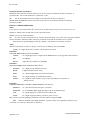
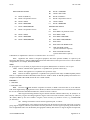
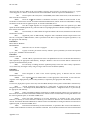
Pilot/Controller Glossary DEPARTURE SEQUENCING PROGRAM− A program designed to assist in achieving a specified interval over a common point for departures. DEPARTURE TIME− The time an aircraft becomes airborne. DESCEND VIA– An abbreviated ATC clearance that requires compliance with a published procedure lateral path and associated speed restrictions and provides a pilot-discretion descent to comply with published altitude restrictions. DESCENT SPEED ADJUSTMENTS− Speed decel eration calculations made to determine an accurate VTA. These calculations start at the transition point and use arrival speed segments to the vertex. DESIRED COURSE− a. True− A predetermined desired course direction to be followed (measured in degrees from true north). b. Magnetic− A predetermined desired course direction to be followed (measured in degrees from local magnetic north). DESIRED TRACK− The planned or intended track between two waypoints. It is measured in degrees from either magnetic or true north. The instantaneous angle may change from point to point along the great circle track between waypoints. DETRESFA (DISTRESS PHASE) [ICAO]− The code word used to designate an emergency phase wherein there is reasonable certainty that an aircraft and its occupants are threatened by grave and imminent danger or require immediate assistance. DEVIATIONS− a. A departure from a current clearance, such as an off course maneuver to avoid weather or turbulence. b. Where specifically authorized in the CFRs and requested by the pilot, ATC may permit pilots to deviate from certain regulations. DH− (See DECISION HEIGHT.) DH [ICAO]− (See ICAO Term DECISION ALTITUDE/ DECISION HEIGHT.) DIGITAL-AUTOMATIC TERMINAL INFORMA TION SERVICE (D-ATIS)− The service provides PCG D−2 4/3/14 text messages to aircraft, airlines, and other users outside the standard reception range of conventional ATIS via landline and data link communications to the cockpit. Also, the service provides a computer− synthesized voice message that can be transmitted to all aircraft within range of existing transmitters. The Terminal Data Link System (TDLS) D-ATIS application uses weather inputs from local automated weather sources or manually entered meteorological data together with preprogrammed menus to provide standard information to users. Airports with D-ATIS capability are listed in the Airport/Facility Directory. DIGITAL TARGET− A computer−generated symbol representing an aircraft’s position, based on a primary return or radar beacon reply, shown on a digital display. DIGITAL TERMINAL AUTOMATION SYSTEM (DTAS)− A system where digital radar and beacon data is presented on digital displays and the operational program monitors the system perfor mance on a real−time basis. DIGITIZED TARGET− A computer−generated indication shown on an analog radar display resulting from a primary radar return or a radar beacon reply. DIRECT− Straight line flight between two naviga tional aids, fixes, points, or any combination thereof. When used by pilots in describing off-airway routes, points defining direct route segments become compulsory reporting points unless the aircraft is under radar contact. DIRECT ALTITUDE AND IDENTITY READ OUT− The DAIR System is a modification to the AN/TPX-42 Interrogator System. The Navy has two adaptations of the DAIR System-Carrier Air Traffic Control Direct Altitude and Identification Readout System for Aircraft Carriers and Radar Air Traffic Control Facility Direct Altitude and Identity Readout System for land-based terminal operations. The DAIR detects, tracks, and predicts secondary radar aircraft targets. Targets are displayed by means of computer-generated symbols and alphanumeric characters depicting flight identification, altitude, ground speed, and flight plan data. The DAIR System is capable of interfacing with ARTCCs. DIRECTLY BEHIND− An aircraft is considered to be operating directly behind when it is following the actual flight path of the lead aircraft over the surface