1
SandMath_44 Manual Pochhammer symbol: Rising and falling empires.
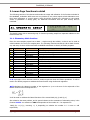
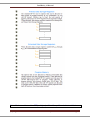
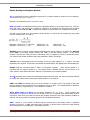
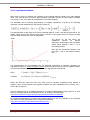
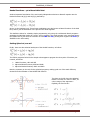
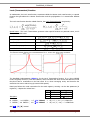
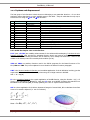
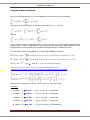
In mathematics, the Pochhammer symbol introduced by Leo August Pochhammer is the notation (x)n,
where n is a non-negative integer. Depending on the context the Pochhammer symbol may represent
either the rising factorial or the falling factorial as defined below. Care needs to be taken to check
which interpretation is being used in any particular article.
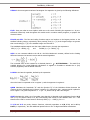
(n)
is used for the rising factorial (sometimes called the "Pochhammer function",
The symbol x
"Pochhammer polynomial", "ascending factorial", "rising sequential product" or "upper factorial"):
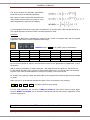
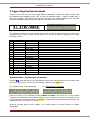
The symbol (x)n is used to represent the falling factorial (sometimes called the "descending
factorial",[2] "falling sequential product", "lower factorial"):
These conventions are used in combinatory. However in the theory of special functions (in particular
the hypergeometric function) the Pochhammer symbol (x)n is used to represent the rising factorial.
Extreme caution is therefore needed in interpreting the meanings of both notations !
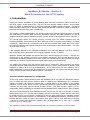
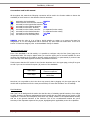
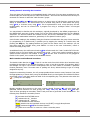
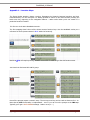
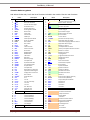
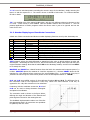
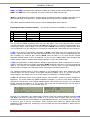
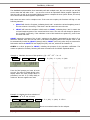
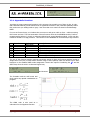
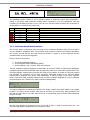
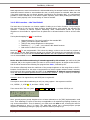
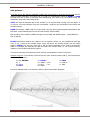
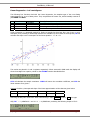
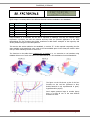
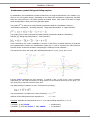
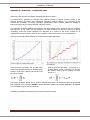
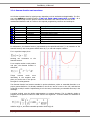
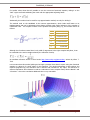
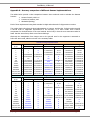
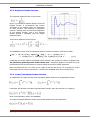
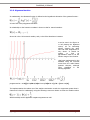
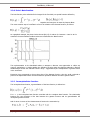
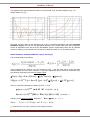
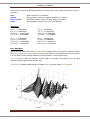
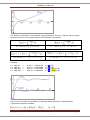
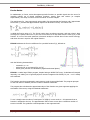
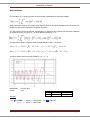
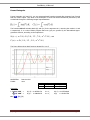
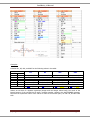
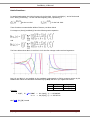
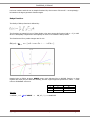
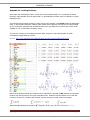
The figures below show the rising (left) and falling factorials for n={0,1,2,3,4}, and -2<x<2
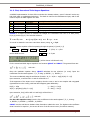
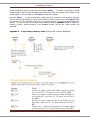
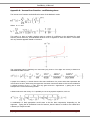
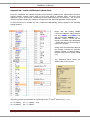
Function POCH calculates the rising factorial. It expects n and x to be in the Y and X registers
respectively (i.e. the usual convention). For large values of n the execution time may be very long – you
can hit any key to stop the execution at any time.
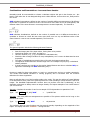
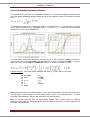
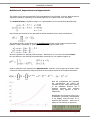
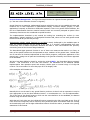
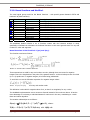
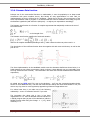
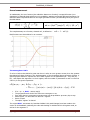
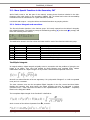
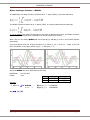
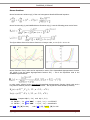
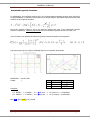
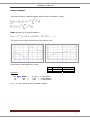
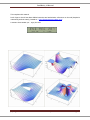
The falling factorial is related to it (a.k.a. Pochhammer symbol) by :
(n)
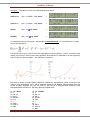
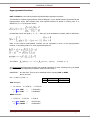
The usual factorial n! Is related to the rising factorial by:
n!=1
Whereas for the falling factorial the expression is:
n ! = (n)n
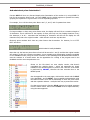
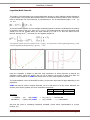
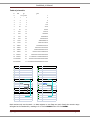
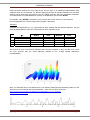
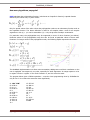
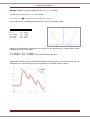
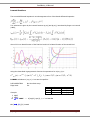
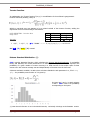
Examples: Calculate the rising factorial for n=7, x=4, and the falling factorial for n=7, x=7
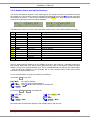
7, ENTER^, 4, XEQ “POCH”
7, ENTER^, 7, CHS, XEQ “POCH”, 7, XEQ “CHSYX”
-> 604.800,0000,
-> 5.040,000000
(c) Ángel M. Martin Revision 44_E Page 42