1
29
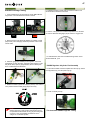
ON MODE
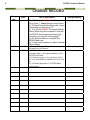
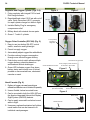
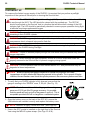
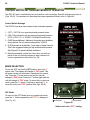
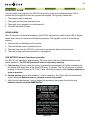
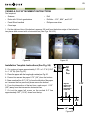
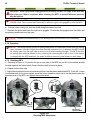
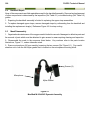
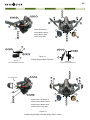
In this setting the OPC M1 will immediately start the standard
oxygen flow providing pulses of oxygen appropriate for an
individual using a cannula when the unit is between 8,000 ±
500 ft. PA to 10,000 ft. PA . It will continue to pulse oxygen
until the unit returns below 8,500 ft. In this mode, the OPC
M1 may not provide a pulse with every inhalation based on
your inhalation rate; this is part of normal operation. The
OPC M1 at power up will allow up to 20 BPM. As the user
breathes faster, the unit will compensate and allow up to 45
BPM (See Fig. 41).
• Flow start: between 8,000 ± 500 ft. PA to 10,000 ft. PA
• Use with: Cannula
• Altitude Compensating: Yes
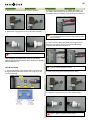
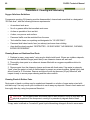
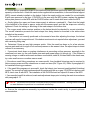
Figure 41
NOTE - The OPC ON mode is designed to provide the amount of oxygen needed by an average
size healthy person using a cannula at the given altitudes; your needs may be different.
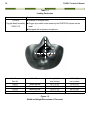
R/M: “RESERVE/MANUAL”
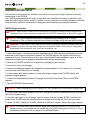
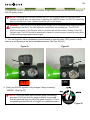
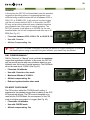
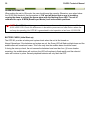
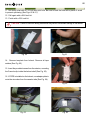
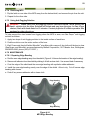
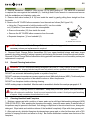
R/M, for “Reserve” or “Manual” mode, provides the maximum
oxygen flow regardless of altitude. In this mode, the OPC M1
may not provide a pulse with every inhalation based on your
inhalation rate; this is part of normal operation. The R/M Mode
will not be used above 16,000 ft (See Fig. 42).
• Flow start: All altitudes
• Use with: Cannula or face mask
• Maximum Altitude of 16,000 ft.
• Altitude compensating: No
• Reduced system duration when used
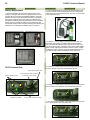
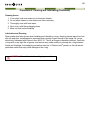
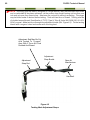
Figure 42
F20 MODE “PHODS MASK”
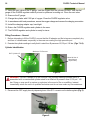
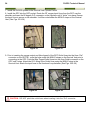
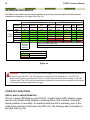
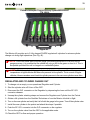
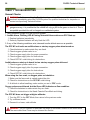
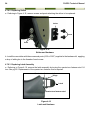
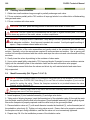
The F20 mode is called the “PHODS mask” setting. It
supplements the standard oxygen flow by adding to the OPC
M1’s perceived altitude. The F20 mode is designed to be
used with the PHODS Mask, the consequence of the F20
mode is a higher consumption of oxygen (See Fig. 43).
• Flow starts: All altitudes
• Use with: PHODS mask
• Altitude compensating: Yes
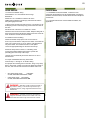
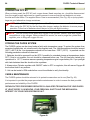
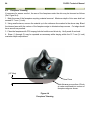
Figure 43