1
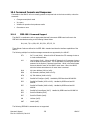
For a detailed discussion of the above items see Chapter 4, Results Display, and Chapter 6,
Computations.
3.2.6.4
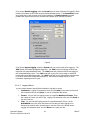
Beam Width Method
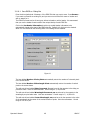
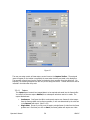
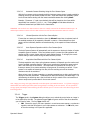
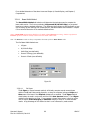
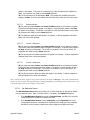
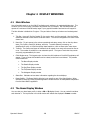
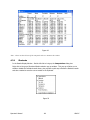
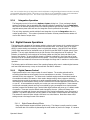
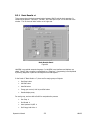
The Beam Width Method edit selection will determine the technique used to compute the
beam width results. The first two methods (4 Sigma and 90/10 Knife Edge) are computed
based upon industry standard definitions. The remaining three choices are user definable, so use
care in setting up and restoring their related options. See Beam Widths and Diameters in Chapter
6 for a technical discussion of the methods described here.
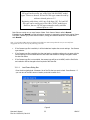
Notice: Beam Width measurements should never be made without Ultracal! processing. Failure to perform an
Ultracal! operation will most certainly lead to inaccurate beam width results.
Note: The Diameter results are always computed as the mean of the two Beam Width results.
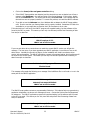
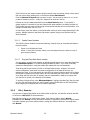
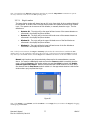
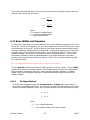
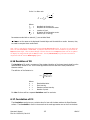
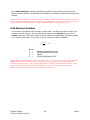
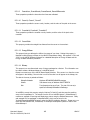
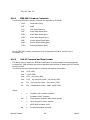
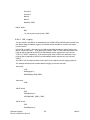
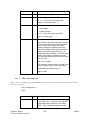
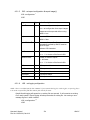
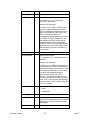
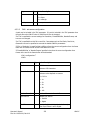
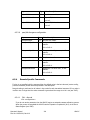
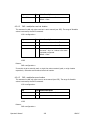
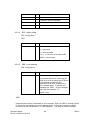
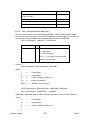
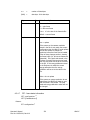
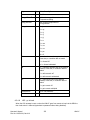
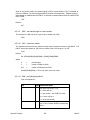
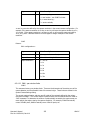
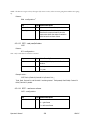
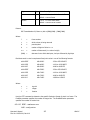
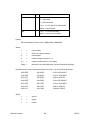
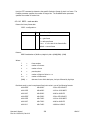
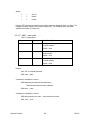
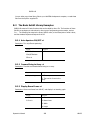
The five Beam Width Methods are:
•
4 Sigma
•
90/10 Knife Edge
•
Knife Edge (user definable)
•
Percent of Energy (user definable)
•
Percent of Peak (user definable)
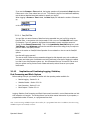
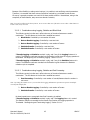
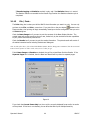
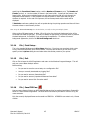
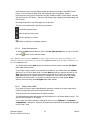
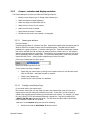
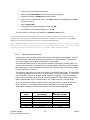
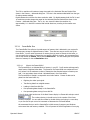
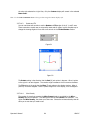
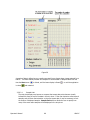
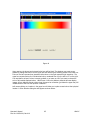
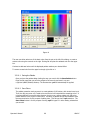
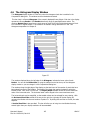
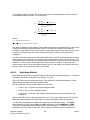
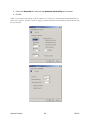
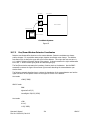
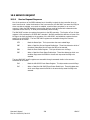
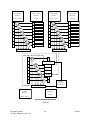
Figure 24
3.2.6.4.1
D4 Sigma
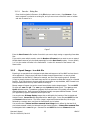
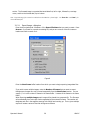
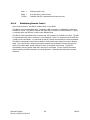
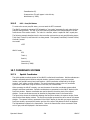
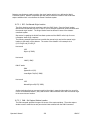
The 4 Sigma, or second moment method, will directly compute second moment beam
widths in the X and Y beam axial directions, or along the computed orthogonal Major and
Minor axes of the beam if the Elliptical calculations are enabled. The 4 Sigma method
should always be used in conjunction with the LBA’s Auto Aperture feature. The 4 Sigma
method is most sensitive to noise. If your camera or beam noise content is high you might
want to employ Frame Averaging or Statistical analysis to home in on more accurate
results. A big advantage of this method is that it is not influenced by mode content.
Operator’s Manual
Doc. No. 10654-001, Rev 4.10
69
LBA-PC