1
Clipping, Marking, and Tagging Data:
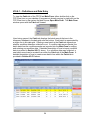
In order to aide in the identification of origin, the SMP collects information on
the clipping, marking, and/or tagging of target salmonid species. Below is a
brief explanation of the various clipping, marking, and tagging information that
are to be collected for the SMP. See Sections VIII.B.1 and VIII.D.1 for more
information on these categories.
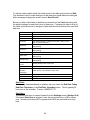
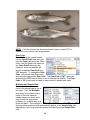
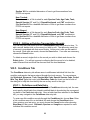
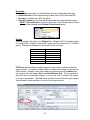
Fin Clips are recorded on all target salmonid species at all sites. Fin clips
include Adipose, Left Vent, and/or Right Vent clips (or any combination of
the three. If a fish has any of these clips, that fish is considered
“Clipped”.
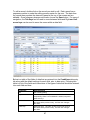
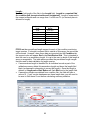
Elastomer Tags are to be recorded on all target salmonid species at all sites.
For fish that have Elastomer tags, sites are expected to record tag location
and tag color, in addition to species, special species, and clipping
information.
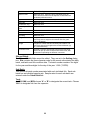
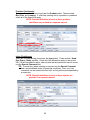
Coded Wire Tags are to be recorded for all unclipped Chinook (age 0 & 1),
unclipped coho, and unclipped sockeye that are sampled at LGR, LGS,
LMN, WTB, LEW, and GRN. This request was based on the increasing
proportion of hatchery releases that are otherwise unclipped or unmarked.
By including CWT data, SMP can differentiate many unmarked hatchery
fish from wild origin fish. This is important for use in run-reconstruction,
wild fish population estimates, timing data and other analyses of wild
origin stocks.
Descaling Data:
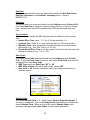
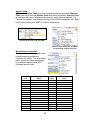
Descaling data will be collected on all target salmonid species in the sample
(except Fry and those salmonids that are sampled as part of the Gas
Bubble Trauma program). Larval and juvenile lamprey will not be examined
for descaling. Fish that are part of the detailed condition sample will be
examined for descaling as well as other indices of fish health status (See the
Condition Sampling Protocol for more information). Other fish that are
sampled but are not part of the detailed condition sub-sample, are considered
non-condition fish. These non-condition fish will be examined for descaling,
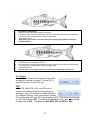
based on the FTOT protocol. A fish will be recorded as descaled if at least
20% of either side of the fish is descaled.
Descaling is defined as areas of the fish where scales have been removed by
mechanical or other means (including predators) and it cannot be determined
that scales have regenerated or healing has occurred. When in doubt
examiner should report the fish as descaled. Consistency is important since
changes in descaling rate are what triggers management action.
Mortality Data:
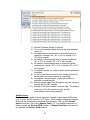
Fish that are found dead in the sample or die during or after handling should
be recorded as mortalities in the non-condition sample. See the Section
VIII.B.1 for more details about what data to record.
3