1
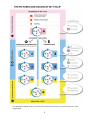
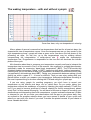
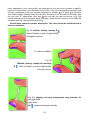
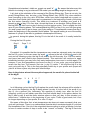
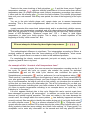
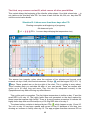
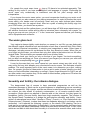
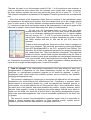
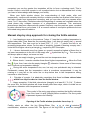
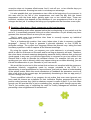
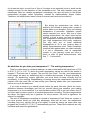
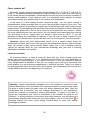
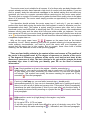
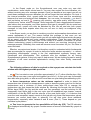
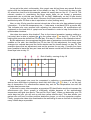
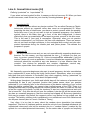
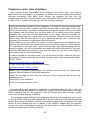
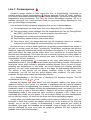
Fig. 2. Fertile days. The cervical fluid runs down
through the vagina a). Cervical fluid keeps sperm
alive by providing an ideal environment for them
b), cervical crypts act as a reservoir for healthy
sperm. Cervical fluid is the true life elixir for
sperm cells. It enables sperm to enter into the
cervical crypts (pockets in the lining of the orifice
of the uterus) where the life elixir is produced and
functions as a temporary medium for sperm to live
in for up to six days b). The fertile window of a
woman lasts up to eight days. The cervix orifice is
open, soft and high in the vagina c) letting sperm
swim upwards to the Fallopian tube d) where
fertilization can take place (Figs. 3 and 4).
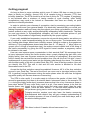
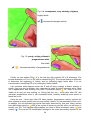
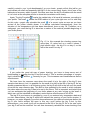
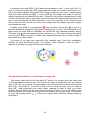
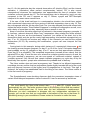
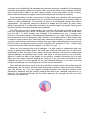
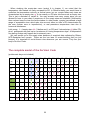
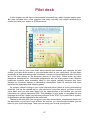
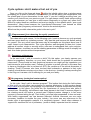
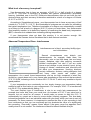
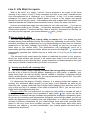
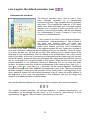
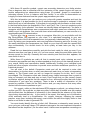
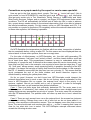
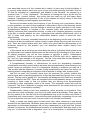
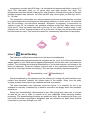
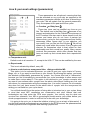
Fig. 3. Inside the upper part of the Fallopian tube
sperm cells try to penetrate the ovum: only one will
occasionally succeed!
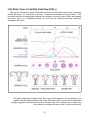
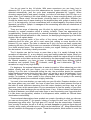
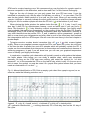
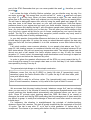
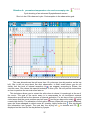
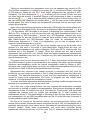
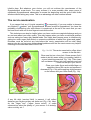
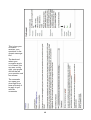
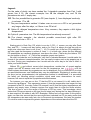
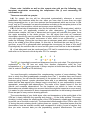
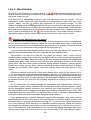
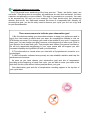
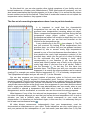
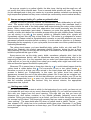
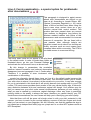
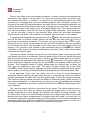
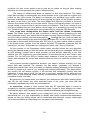
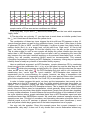
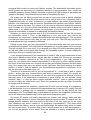
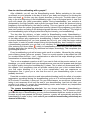
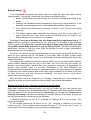
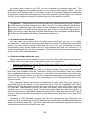
Fig. 4. Impregnation of the ovum. A
follicle, the hormone producing pocket that
hosts the ovum (egg cell), ripens, bursts,
and then releases the ovum into the
Fallopian tube a). This is ovulation.
Growing quickly by cellular division b), c)
and d), the newly created embryo needs
about six to eight days to implant in the
lining of the uterus e). The burst follicle is
not sloughed away: it is used to produce
progesterone.
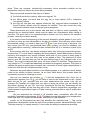
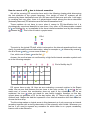
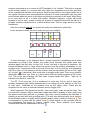
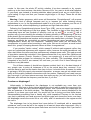
4)
This
increased
progesterone production is what causes
the body temperature to slightly rise. You
can see this rise in your temperature
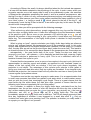
curve. Progesterone also prepares the
lining of the uterus for the implantation of
the new life g). As soon as the embryo
has implanted, a hormone is secreted
(Human Chorionic Gonadotropin, HCG) indicating that the uterus is transforming into a
medium for new life. The cervix h) is firmly closed during pregnancy. Fertilization after
ovulation is impossible. Based on these scientifically well-established facts, the days
following ovulation are absolutely infertile.
15