1
Metasol MS Technical Manual
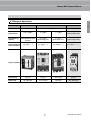
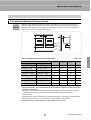
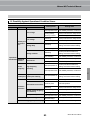
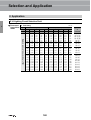
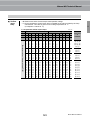
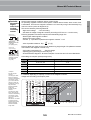
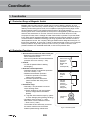
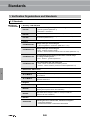
1.2 Basic Performance of the Switch
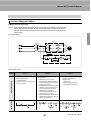
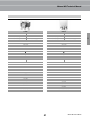
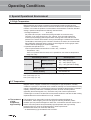
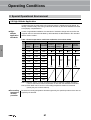
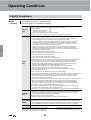
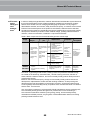
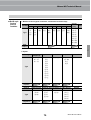
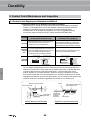
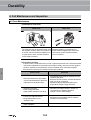
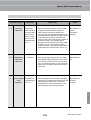
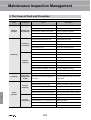
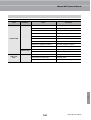
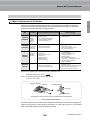
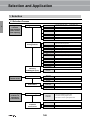
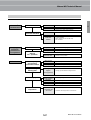
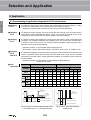
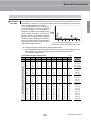
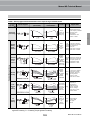
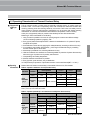
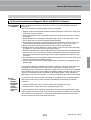
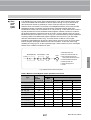
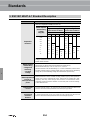
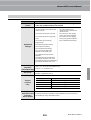
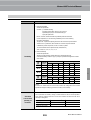
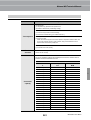
There are four basic element functions shown in the table below in the switch of electrical
circuits, the contents in the following table and economical efficiency need to be examined
at the same time when the switch is being selected.
Item
Function
Product rated performance
(element determining performance)
Important examination during
selection of type
Switching
performance
•Closed
•Closed circuit current
circuit function •Breaking Current
•Breaking
(Here current capacity is electric
function
energy according to voltage X
•Insulation
current X power factor.)
voltage
•Circuit current ≤closed circuit
breaking capacity
Current flow
performance
•Continuous
Current Flow
•Short-term
current flow
•Flowing current(Joule heat)
•Over current limit quantity
(Fleming's left-hand law)
•Load current ≤ Conventional free
air thermal current (Ith)
•inrush current or starting Current ≤
Over current limit quantity
•Mechanical
endurance
•Electrical
endurance
•Control Voltage, type (AC/DC),
load capacity
•Switching voltage, current,
power factor
•Switching frequency
•Operational rate
•Number of switching
Switching
durability
•Over current detection element and
performance characteristic
(current and time characteristic)
Overcurrent
detection
•Demanding electrical durability
≤electrical durability
•Repetitive switching frequency
≤ switching frequency
•Switching voltage ≤
rated operational voltage Load
•Load current ≤ rated operational current
•Demanding electrical durability
≤ electrical durability
•Load rated current =
setting current of overload protection device
(load current is selected within rated
current range of detection element)
Note1) Arc Energy becomes the smallest when the current and voltage are in the same phase.
Note 2) Energy quantity when switching varies alot, depends on the
R )
value of the power factor( CosØ =
R2+ X2
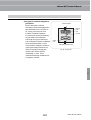
Note 3) Joule's law is explained in the following formula:
2
H = 0.24×I×R×t(cal)
Magnetic field (H)
Current(I)
Magnetic field (H)
Current(I)
Force(F)
Force(F)
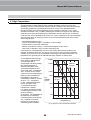
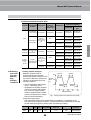
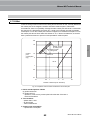
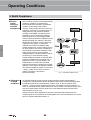
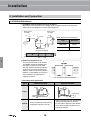
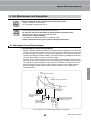
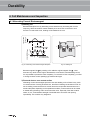
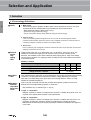
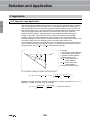
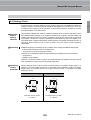
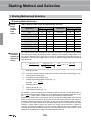
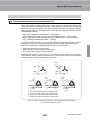
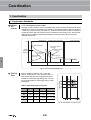
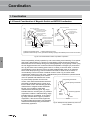
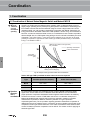
The direction of force of linear current is exerted from the magnetic field.
Fig. 31. Fleming's left hand law
The force exerted on the conductor varies depends on the amount of current and magnetic flux.
Moreover, the amount is proportional to the amount of current. But, the force is not exerted
when current and direction of magnetic field are parallel.
145
Metasol MS Technical Manual
H