1
INFLIGHT GUIDE
20 JUN 2013
13) Review taxi plan/diagram and brief crew assignments for taxi, takeoff and departure
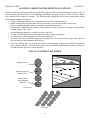
14) Remind crew that most midair collisions occur in or near the traffic pattern
15) Enter settings into GPS (e.g., destination or flight plan, entry points and waypoints)
16) Organize the cockpit
G. Startup and Taxi
1) Brief checklist method to be used (e.g., challenge-response)
2) Seat belts at all times; shoulder harness at all times (if available) unless interfering with crew member duties.
3) Double-check Intercom, Audio Panel and Comm Radio settings
4) Rotating Beacon Switch ON and signal marshaller before starting engine; lean for taxi
5) Ensure DF and FM Radio are operable and set properly (FM radio check if first flight)
6) Select initial VOR radial(s) and GPS setting
7) Obtain ATIS and Clearance (read back all clearances and hold-short instructions)
8) Compute crosswind and verify within Crosswind Limitation
9) Verify 3 statute miles visibility (VFR in Class G - unless PIC is current IFR)
10) If IFR, verify weather at or above landing minimums and date of last VOR check
11) Begin sterile cockpit
12) Signal marshaller before taxiing; check brakes at beginning of roll
13) Taxi no faster than a slow walk when within 10 feet of obstacles
a) Maintain at least 50' behind light single-engine aircraft
b) Maintain at least 100' behind small multi-engine and jet aircraft
c) Maintain at least 500' behind heavies and taxiing helicopters
H. Takeoff, Climb and Departure
1) Double-check assigned departure heading and altitude
2) Lean engine for full power (> 3000' DA) (follow your POH or AFM)
3) Look for landing traffic before taking the active runway
4) Keep lights on within 10 miles of the airport and when birds reported nearby
5) Begin Observer Log with takeoff (time and Hobbs) and report "Wheels Up"
6) Use shallow S-turns and lift your wing before turns during climbing to check for traffic
7) Keep shoulder harnesses buckled (if available) unless such wear interferes with pilot or crew member duties.
8) Keep crew apprised of conflicting aircraft and obstacle positions
9) Keep checklists close at hand and open to Emergency Procedures
I
Enroute
1) Maintain situational awareness
2) Lean engine for economy cruise
3) Update fuel assumptions and set altimeter to closest source at least hourly
J Approach, Descent and Landing
1) Plan approach and descent (remember fuel mixture and cooling)
2) Double-check radio and navigational settings
3) Obtain ATIS/AWOS and contact approach control
4) Review taxi plan/diagram and brief crew assignments for approach, landing and taxi
5) Remind crew that most midair collisions occur in or near the traffic pattern, especially on final
6) Begin sterile cockpit
7) Turn lights on within 10 miles of the airport
8) Double-check assigned approach heading and altitude
9) Use shallow S-turns and lift your wing before turns during descent to check for traffic
10) Read back all clearances and hold-short instructions
11) Log (time and Hobbs) and report "Wheels Down"
2.
Arrival at Mission Base:
A. Park and Secure Aircraft
1) Look for marshallers, follow taxi plan, and signal marshaller that ignition is OFF
2) Double-check Master Switch OFF
3) Fuel Selector Switch to Right or Left (refueling)
4) Avionics/control Lock and Pitot tube covers/engine plugs installed
5) Complete the Flight Log and enter squawks in Discrepancy Log
6) Chocks and Tie-downs installed and Parking Brake OFF
7) Remove trash and personal supplies/equipment
8) Lock the windows, doors and baggage compartment
9) Check oil and arrange for refueling
10) Clean leading edges, windshield, and windows
11) Replenish cleaning kit
3