1
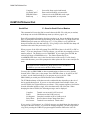
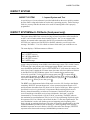
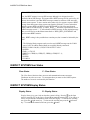
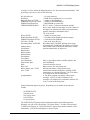
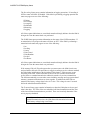
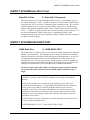
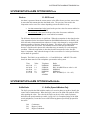
RANDOM BINARY DATA FORMAT
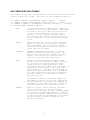
This format is used when the 8200 makes a random or alarm transmission.
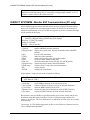
format of the transmission data is:
<GROUP-ID> <OFFSET>
<SENSOR1-DATA> <SENSOR2-DATA> ... <SENSOR(N)-DATA>
<SENSOR1-DATA> <SENSOR2-DATA> ... <SENSOR(N)-DATA>
<SENSOR1-DATA> <SENSOR2-DATA> ... <SENSOR(N)-DATA>
...
<COUNTER> <BATTERY>
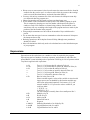
where:
GROUP-ID
The GROUP-ID is a one byte character, in the range 1
to 9, indicating the random group which caused the
transmission.
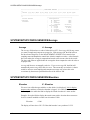
OFFSET
OFFSET is a 1 byte binary encoded number indicating
the number of minutes ago the most recent data was
recorded.
SENSORDATA
The actual SENSOR-DATA contains only those sensors
belonging to the random group which caused the alarm.
The data values are 3 byte binary encoded signed
numbers allowing a range of: -131072 to +131071.
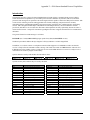
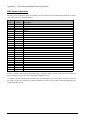
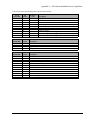
The actual 6-bit binary encoded format is described
later. The 8200 will only transmit numbers in the
range -32768 to +32767. The value transmitted is
taken directly from the log of the 8200 which was
scaled by Rightdigits before being placed in the log.
The value transmitted will be value * 10^RightDigits.
The string "///" will be sent if the data was never
recorded or was erased.
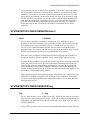
The number of sensors transmitted depends on the
number of sensors in the random group, and the number
of log records sent depends on #Data/TX RR selected
in the 8200. The most recent data is always sent
first.
Note: if #Measmnt/Log is set > 1, the first value
transmitted is the last measured value, not the last
logged value. This has been done to support users
who want data logged hourly (to conserve space) and
still transmit randomly a value collected more often.
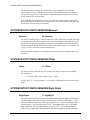
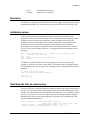
COUNTER
COUNTER is a 2 byte binary encoded number which
indicates the transmission number and increments
after every transmission. The number will be between
0 and 4095.
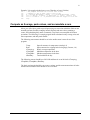
BATTERY
BATTERY is a 1 byte binary encoded number
representing the battery voltage of the 8200 before
the transmission. The range of the number will be 32 to +31 and can be converted to volts by
multiplying by 0.234 and adding 10.6 allowing a range
of 3.1 to 18.1 volts.
2
The