1
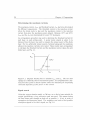
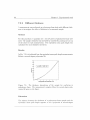
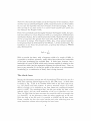
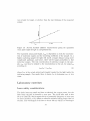
x Length
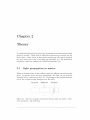
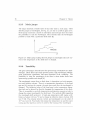
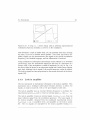
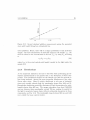
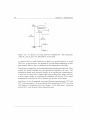
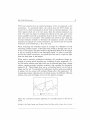
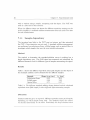
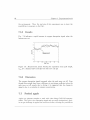
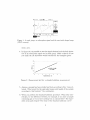
Figure 11: The absorption of a beam with intensity 10
Absorption spectroscopy
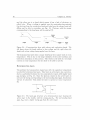
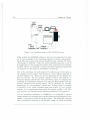
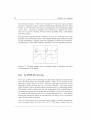
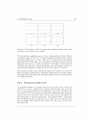
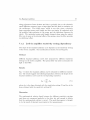
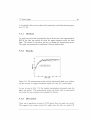
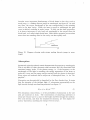
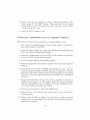
An absorption spectroscopy set-up consists of three main parts; a light source,
a sample, and a detector. The light is sent through the sample and the output
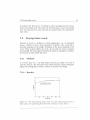
light is detected and measured as shown in figure 12. There are different types
of absorption spectroscopies. We will focus on the one used by GASMAS.
Light source
Absorbing material
Detector
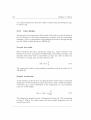
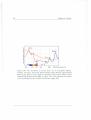
Figure 12: The three main parts of an absorption spectroscopy set-up for gas
samples.
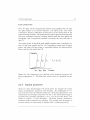
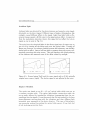
The properties which can be achieved through absorption spectroscopy is the
concentration, temperature and pressure of the sample. The concentration
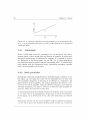
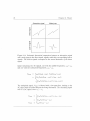
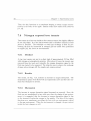
can be calculated from the Beer-Lambert law, equation 1, by measuring h
and 10 , see figure 13, and knowing the path length and the absorption cross
section.
The light source
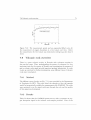
In GASMAS, a diode laser is used as a light source of the laser light. By
letting the injection current have a saw-tooth shape, the wavelength will
be repetively swept. The use of diode lasers in absorption measurements
is abbreviated TDLAS, which stands for; Tunable Diode Laser Absorption
9