1
Index
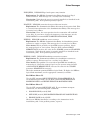
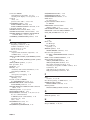
A
/ABORT qualifier, 4–5
Access control list
See ACL
Access point, 1–4
adding, 2–8 to 2–11, 4–3
at a master file directory, 2–8
at a subdirectory, 2–9
changing, 2–14
dismounting, 4–5
finding, 2–14
mounting, 3–2 to 3–3, 4–8
alternative names, 3–3
naming conventions, 2–11
relationship with client device (figure), 1–5
removing, 2–14, 4–11
/ACCESS_POINT qualifier, 4–20
/ACCESS_POINTS_MAXIMUM qualifier, 4–15,
4–25
ACL
attempts to modify or view, 2–16, 3–5
identifiers for DECdfs users, 2–16
using on server, 2–6
/ACTIVE_FILES qualifier, 4–25
ADD ACCESS_POINT command
(DFS$CONTROL), 4–3
on systems with DECdns, 2–10
on systems without DECdns, 2–12
/ALL qualifier
SHOW CLIENT command, 4–20
SHOW COMMUNICATION command, 4–22
SHOW SERVER command, 4–25
ATR$C_ASCNAME attribute, F–2
ATR$C_FILE_SPEC attribute, F–3
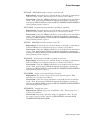
B
Backup
client device results, 3–9
including nested subdirectories at server, 2–10
Batch jobs
submitting from a cluster node, 3–10
/BLOCK_COUNT qualifier (RMS), C–5
/BRIEF qualifier, 4–17
Buffer count
data cache
See Data cache
RMS, C–5
/BUFFER_COUNT qualifier (RMS), C–5
/BUFFER_SIZE qualifier, 4–12, 4–22
C
Cache
DECdfs
See also Data cache, Persona cache, 2–16
RMS, C–5
/CACHE_BUFFERS=COUNT_OF_BUFFERS
qualifier, 4–26
/CACHE_BUFFERS=FILE_BUFFER_QUOTA
qualifier, 4–26
CHANNELCNT parameter (SYSGEN), 2–2
Checksum comparison (DECdfs), 3–8
/CHECKSUM qualifier, 3–8, 4–12, 4–22
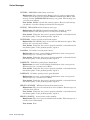
Client, 1–7, 3–1
Client device, 1–5
backing up files to and from, 3–9
counters, 3–4
creating, 3–2, 4–8
data checking for, 3–3
hiding nested subdirectories at server, 2–10
information on, 3–3
logical name for, 3–2
mount verification, 3–7
programmer’s information, E–1
unit numbers for, 3–2
volume name for, 3–2, 4–9
Client-server relationship, 1–3
Cluster alias, 3–9 to 3–10
outgoing from client, 3–9
/CLUSTER_ALIAS qualifier, 4–3
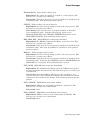
CMS libraries
needing consistent timestamps, 1–9
needing logical names, 1–9
reserving and replacing components, 2–6
storing, 1–3
Command files
using DFS$CONTROL commands in, 1–13
Communication Entity, 1–7
connections on server, 2–3, C–4
requests from clients allowed on server, 2–2
Index–1