1
SIMULATION REPORT
Page 51 of 106
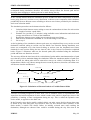
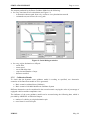
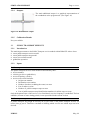
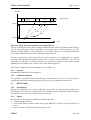
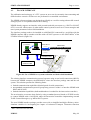
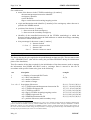
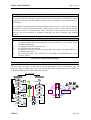
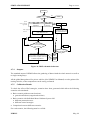
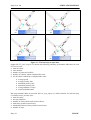
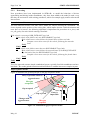
overtaking lane is available, private vehicles can only stay in the lane where the PT vehicle is,
following the vehicle itself.
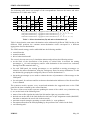
Similarly, in the case of central tram boarder, the drivers that follow the PT vehicle must slow
down their speed and look for a suitable gap to change lane and overtake the tram. In this case,
some attention has to be paid to the passengers that are leaving the tram and that could cross the
lane where private traffic is flowing. For the layby stops, when the PT vehicle reaches the stop, it
leaves the lane on the carriageway and private traffic can flow normally on the lane. Later, the PT
vehicle must look for a suitable gap in order to leave the stop, and, if this is the case, the private
vehicles should give priority to the PT vehicle that is leaving the stop
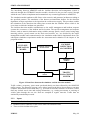
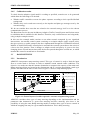
Typical bus stop
BUS
STOP
BUS
CAR
CAR
Bus stop layby
BUS
STOP
BUS
CAR
CAR
Bus stop boarder
BUS
STOP
BUS
CAR
CAR
Central tram boarder
CAR
CAR
CAR
TRAM
CAR
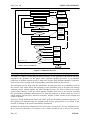
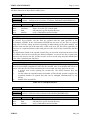
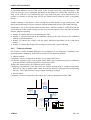
Figure 24: The four different types of public transport stop driving on the left
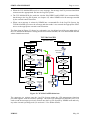
The micro-simulator NEMIS has been enhanced with the introduction of two different kinds of
PT stops:
• Typical Bus Stop : suitable for simulating typical bus stops, bus stop boarders and central
tram boarder (this last assumption is true if we do not take care of pedestrians that can cross
the lane next to the stop, and that can slow or stop the incoming private vehicles)
• Bus Stop Layby : suitable to simulate bus stop laybys.
PUBLIC
May, 99