1
Protection functions
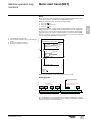
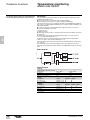
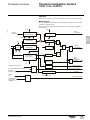
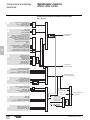
Negative sequence / unbalance
ANSI code 46
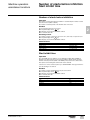
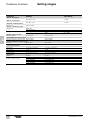
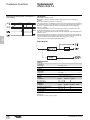
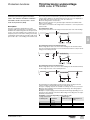
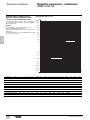
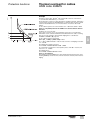
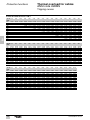
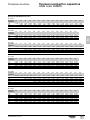
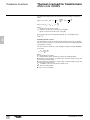
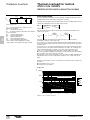
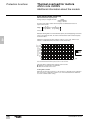
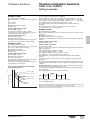
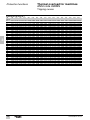
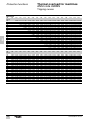
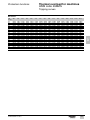
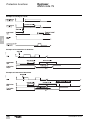
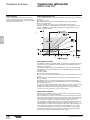
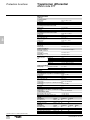
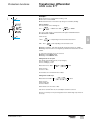
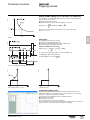
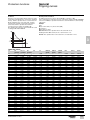
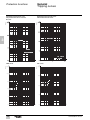
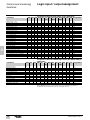
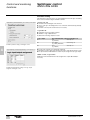
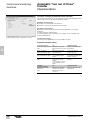
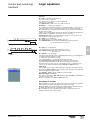
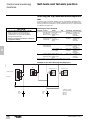
Setting example for RI2 curves
DE50715
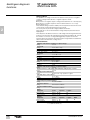
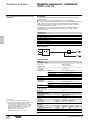
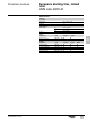
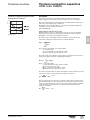
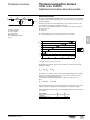
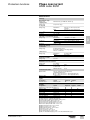
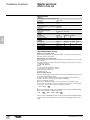
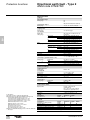
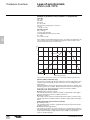
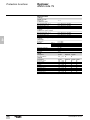
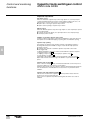
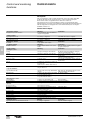
A generator can handle a certain level of negative sequence current on a continuous
basis. The Is continuous level, indicated by the manufacturer, is generally between
5 and 10 % of the base current Ib.
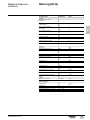
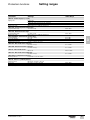
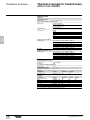
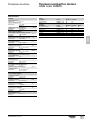
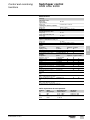
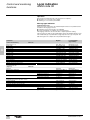
Typical values are:
Type of generator
Salient poles
Cylindrical rotors
RI2 curve.
Ii permissible (% Ib)
with amortisseur windings
10
without amortisseur windings
Indirectly cooled
Sn y 960 MVA
960 MVA < Sn y 1200 MVA
1200 MVA < Sn
5
10
8
6
5
Reference IEEE C37.102-1987.
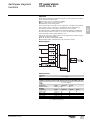
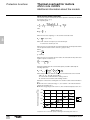
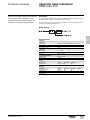
When this current level is exceeded, the generator can handle a negative sequence
current Ii for a time td, corresponding to the following equation:
K
td = -----------------2
Ii ⎞
⎛ --------⎝ Ib ⎠
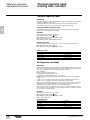
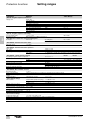
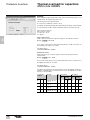
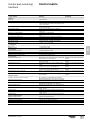
The K value is an adjustable constant that depends on the type of generator,
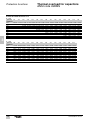
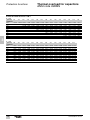
generally between 1 and 40. Typical values of K are:
Type of generator
Salient poles
Synchronous condenser
Cylindrical rotors
K
Indirectly cooled
Sn y 800 MVA
800 MVA < Sn y 1600 MVA
40
30
20
10
10 - 0.00625.(MVA - 800)
Reference IEEE C37.102-1987.
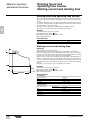
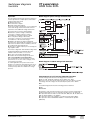
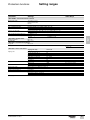
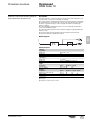
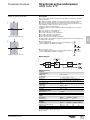
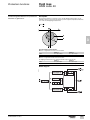
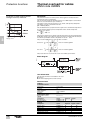
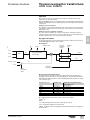
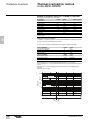
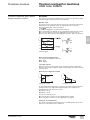
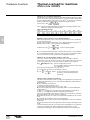
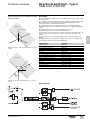
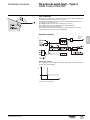
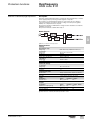
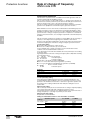
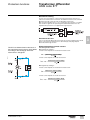
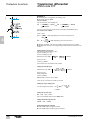
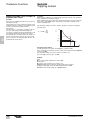
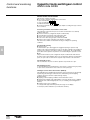
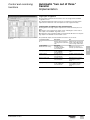
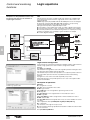
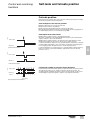
Schneider IDMT curve
DE50716
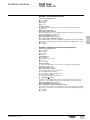
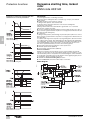
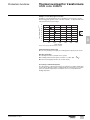
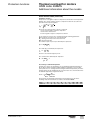
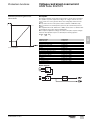
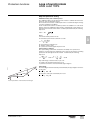
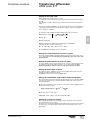
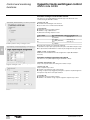
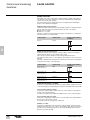
For Ii > Is, the time delay depends on the value of Ii/Ib (Ib: base current of the
protected equipment defined when the general parameters are set).
T corresponds to the time delay for Ii/Ib = 5.
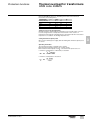
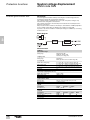
The tripping curve is defined according to the following equations:
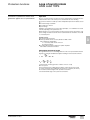
b for Is/Ib y Ii/Ib y 0.5
3.19
-× T
t = -------------------------1.5
( Ii ⁄ Ib )
b for 0.5 y Ii/Ib y 5
Schneider curve.
4.64
-× T
t = ---------------------------0.96
( Ii ⁄ Ib )
b for Ii/Ib > 0.5
t = T.
.
SEPED303001EN - 01/2013
113
3