1
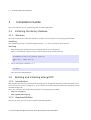
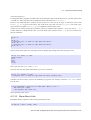
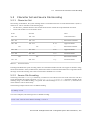
7.4 Constructing and Matching Binaries
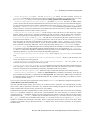
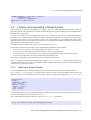
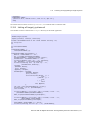
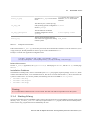
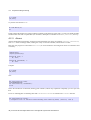
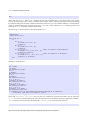
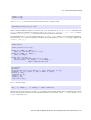
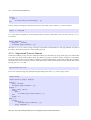
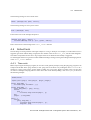
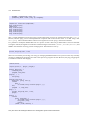
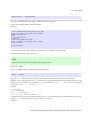
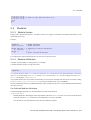
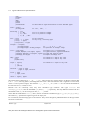
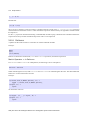
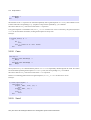
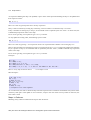
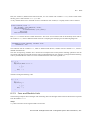
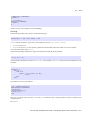
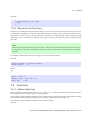
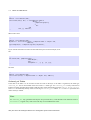
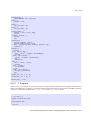
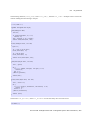
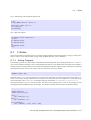
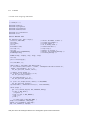
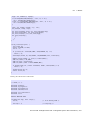
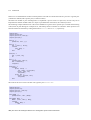
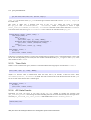
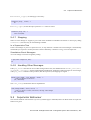
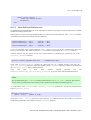
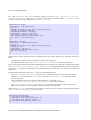
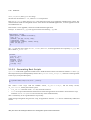
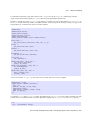
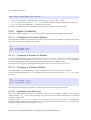
my_binary_to_list(<<H,T/binary>>) ->
[H|my_binary_to_list(T)];
my_binary_to_list(<<>>) -> [].
7.4.1 How Binaries are Implemented
Internally, binaries and bitstrings are implemented in the same way. In this section, they are called binaries because
that is what they are called in the emulator source code.
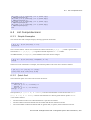
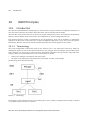
Four types of binary objects are available internally:
•
Two are containers for binary data and are called:
•
• Refc binaries (short for reference-counted binaries)
• Heap binaries
Two are merely references to a part of a binary and are called:
•
•
sub binaries
match contexts
Refc Binaries
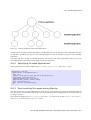
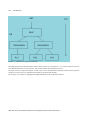
Refc binaries consist of two parts:
•
•
An object stored on the process heap, called a ProcBin
The binary object itself, stored outside all process heaps
The binary object can be referenced by any number of ProcBins from any number of processes. The object contains a
reference counter to keep track of the number of references, so that it can be removed when the last reference disappears.
All ProcBin objects in a process are part of a linked list, so that the garbage collector can keep track of them and
decrement the reference counters in the binary when a ProcBin disappears.
Heap Binaries
Heap binaries are small binaries, up to 64 bytes, and are stored directly on the process heap. They are copied when
the process is garbage-collected and when they are sent as a message. They do not require any special handling by
the garbage collector.
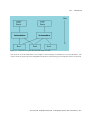
Sub Binaries
The reference objects sub binaries and match contexts can reference part of a refc binary or heap binary.
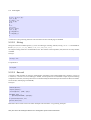
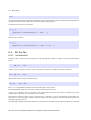
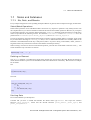
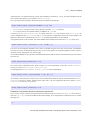
A sub binary is created by split_binary/2 and when a binary is matched out in a binary pattern. A sub binary is
a reference into a part of another binary (refc or heap binary, but never into another sub binary). Therefore, matching
out a binary is relatively cheap because the actual binary data is never copied.
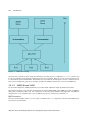
Match Context
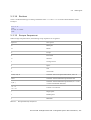
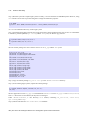
A match context is similar to a sub binary, but is optimized for binary matching. For example, it contains a direct pointer
to the binary data. For each field that is matched out of a binary, the position in the match context is incremented.
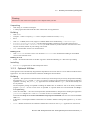
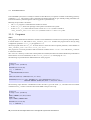
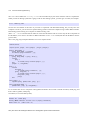
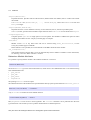
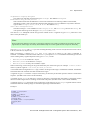
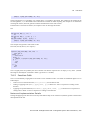
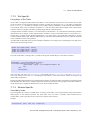
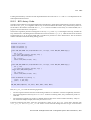
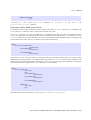
In R11B, a match context was only used during a binary matching operation.
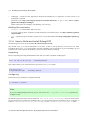
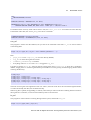
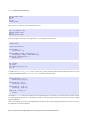
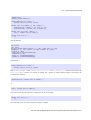
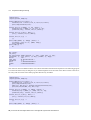
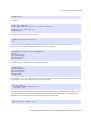
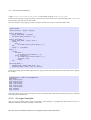
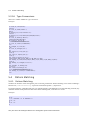
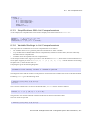
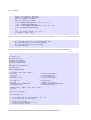
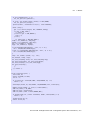
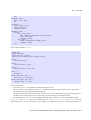
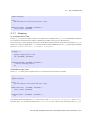
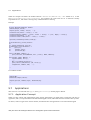
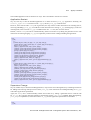
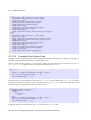
In R12B, the compiler tries to avoid generating code that creates a sub binary, only to shortly afterwards create a new
match context and discard the sub binary. Instead of creating a sub binary, the match context is kept.
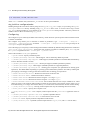
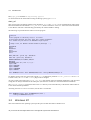
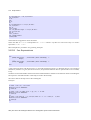
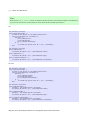
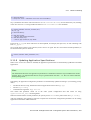
The compiler can only do this optimization if it knows that the match context will not be shared. If it would be shared,
the functional properties (also called referential transparency) of Erlang would break.
224 | Ericsson AB. All Rights Reserved.: Erlang/OTP System Documentation