1
9.4 gen_event Behaviour
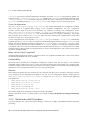
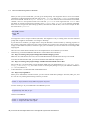
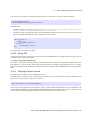
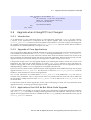
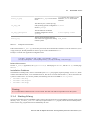
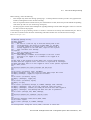
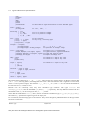
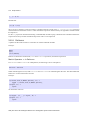
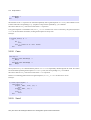
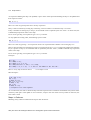
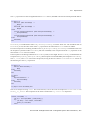
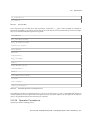
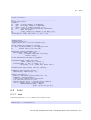
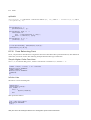
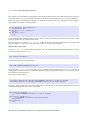
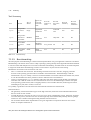
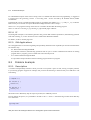
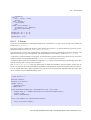
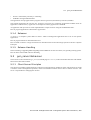
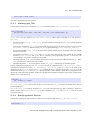
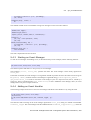
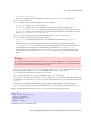
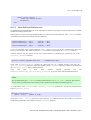
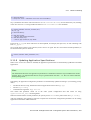
This causes the gen_fsm to call terminate(normal,StateName,StateData1) and then it terminates
gracefully:
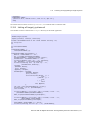
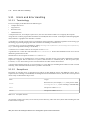
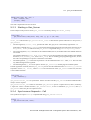
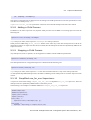
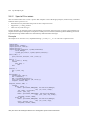
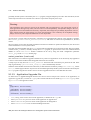
9.3.8 Handling Other Messages
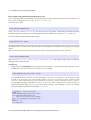
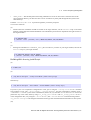
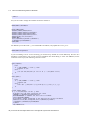
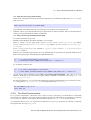
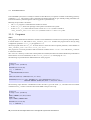
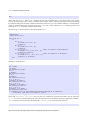
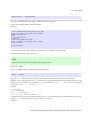
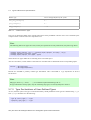
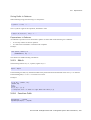
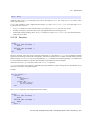
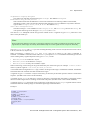
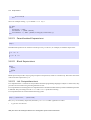
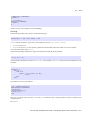
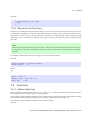
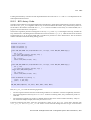
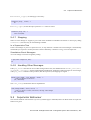
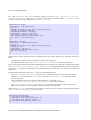
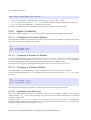
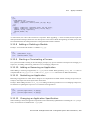
If the gen_fsm is to be able to receive other messages than events, the callback function handle_info(Info,
StateName, StateData) must be implemented to handle them. Examples of other messages are exit messages,
if the gen_fsm is linked to other processes (than the supervisor) and trapping exit signals.
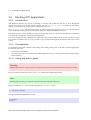
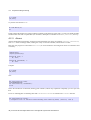
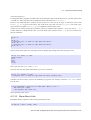
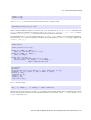
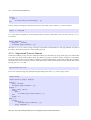
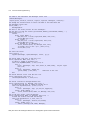
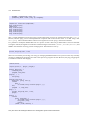
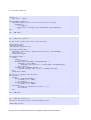
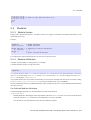
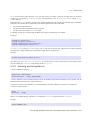
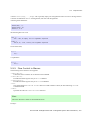
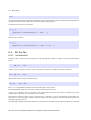
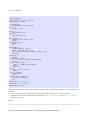
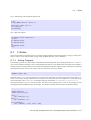
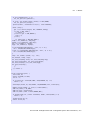
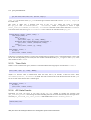
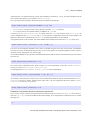
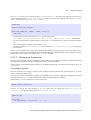
handle_info({'EXIT', Pid, Reason}, StateName, StateData) ->
..code to handle exits here..
{next_state, StateName1, StateData1}.
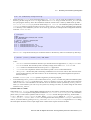
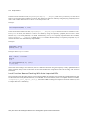
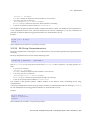
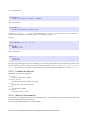
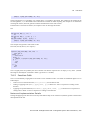
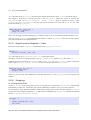
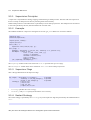
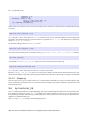
The code_change method must also be implemented.
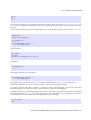
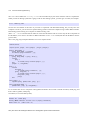
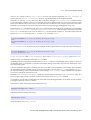
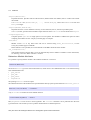
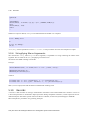
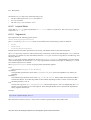
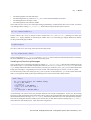
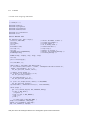
code_change(OldVsn, StateName, StateData, Extra) ->
..code to convert state (and more) during code change
{ok, NextStateName, NewStateData}
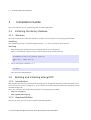
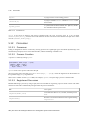
9.4 gen_event Behaviour
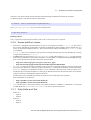
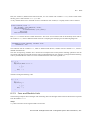
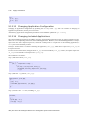
This section is to be read with the gen_event(3) manual page in STDLIB, where all interface functions and callback
functions are described in detail.
9.4.1 Event Handling Principles
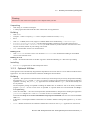
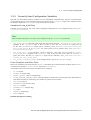
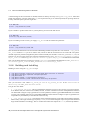
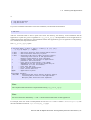
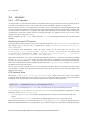
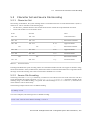
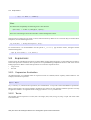
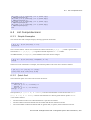
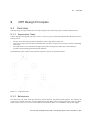
In OTP, an event manager is a named object to which events can be sent. An event can be, for example, an error, an
alarm, or some information that is to be logged.
In the event manager, zero, one, or many event handlers are installed. When the event manager is notified about an
event, the event is processed by all the installed event handlers. For example, an event manager for handling errors
can by default have a handler installed, which writes error messages to the terminal. If the error messages during a
certain period is to be saved to a file as well, the user adds another event handler that does this. When logging to the
file is no longer necessary, this event handler is deleted.
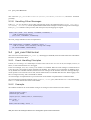
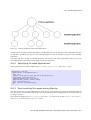
An event manager is implemented as a process and each event handler is implemented as a callback module.
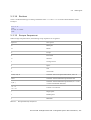
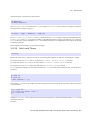
The event manager essentially maintains a list of {Module, State} pairs, where each Module is an event handler,
and State is the internal state of that event handler.
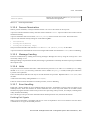
9.4.2 Example
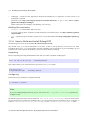
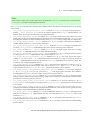
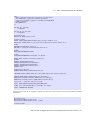
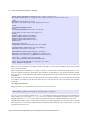
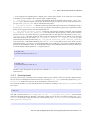
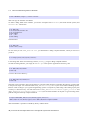
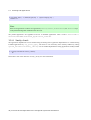
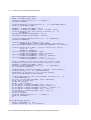
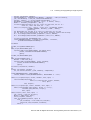
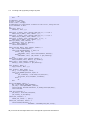
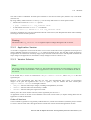
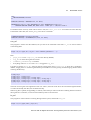
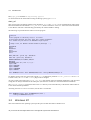
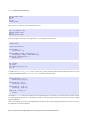
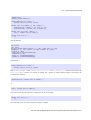
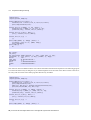
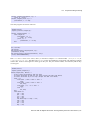
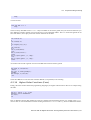
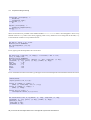
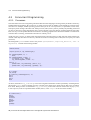
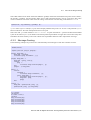
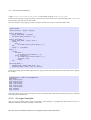
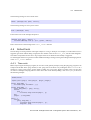
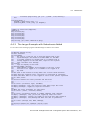
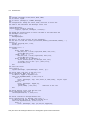
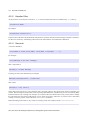
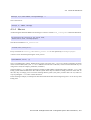
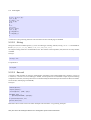
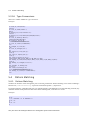
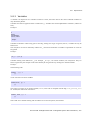
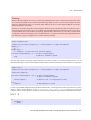
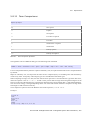
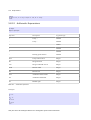
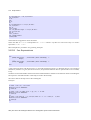
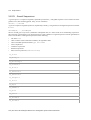
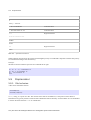
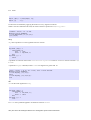
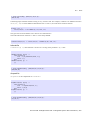
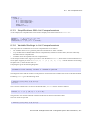
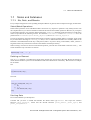
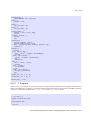
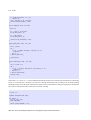
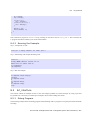
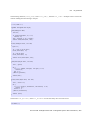
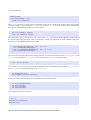
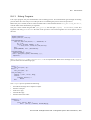
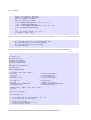
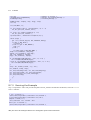
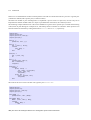
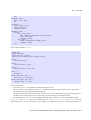
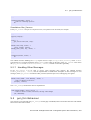
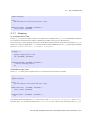
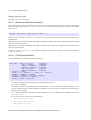
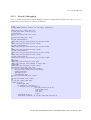
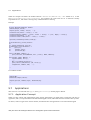
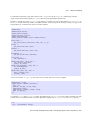
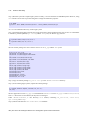
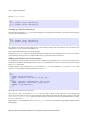
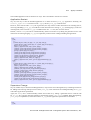
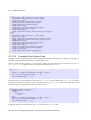
The callback module for the event handler writing error messages to the terminal can look as follows:
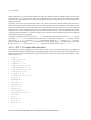
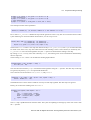
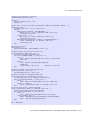
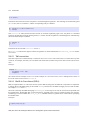
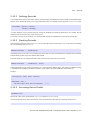
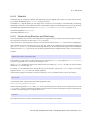
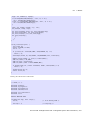
-module(terminal_logger).
-behaviour(gen_event).
-export([init/1, handle_event/2, terminate/2]).
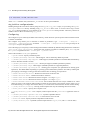
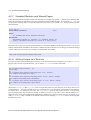
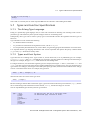
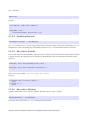
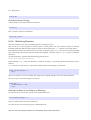
init(_Args) ->
{ok, []}.
handle_event(ErrorMsg, State) ->
298 | Ericsson AB. All Rights Reserved.: Erlang/OTP System Documentation