1
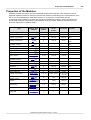
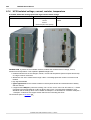
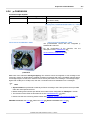
Properties of the Modules
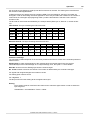
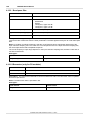
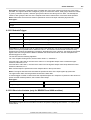
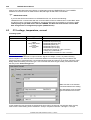
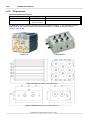
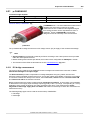
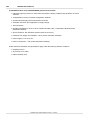
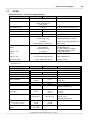
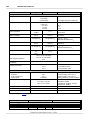
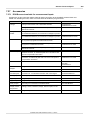
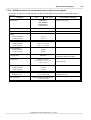
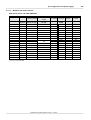
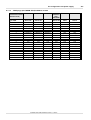
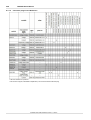
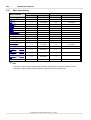
The choices for signals to connect include voltage, current, or any DIN-thermocouples or PT100s. The
"Opto"-modules SCI8 and SCI16 enable direct connection of signals up to ±60 V. SC16, by contrast
supports input ranges of ±100 mV to ±10 V directly and supports the extended input ranges up to ±60 V by
means of a special divider connector (ACC/DSUB-UD4).
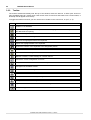
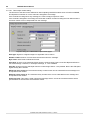
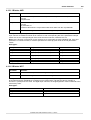
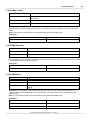
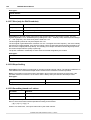
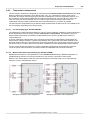
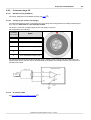
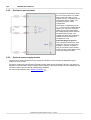
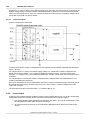
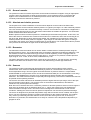
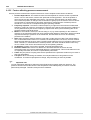
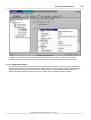
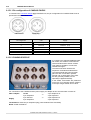
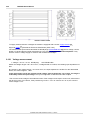
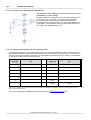
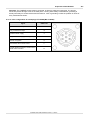
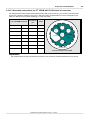
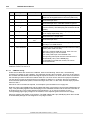
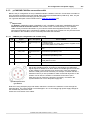
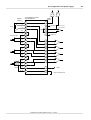
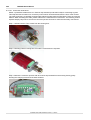
The interconnections used are DSUB-15 terminals. One connector serves four signals.
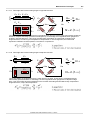
Each channel can be connected individually which means it's possible to connect a voltage, a temperature
and a current all via on terminal. This can result in certain limitations if, for instance, a current
measurement is carried out with a shunt connector and a temperature measurement with a thermocouple.
Since these measurement types require a dedicated connector, only one measurement type can be
performed per DSUB.
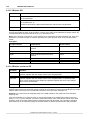
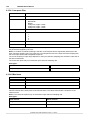
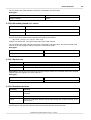
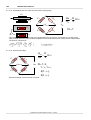
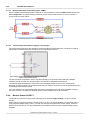
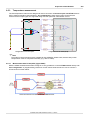
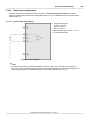
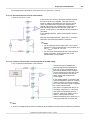
In principle, it's possible to carry out both a voltage measurement and a thermocouple measurement using
the same thermo-connector. Likewise, a PT100 measurement can be carried out using just a standard
connector, although doing this would prevent the convenient four-wire connection scheme from being used.
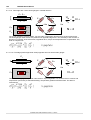
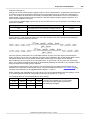
To avoid crosstalk, which is typical for scanner systems, it is recommended to short circuit the inputs of
the channel, which are not in use.
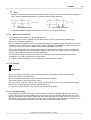
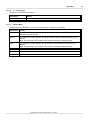
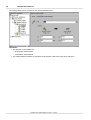
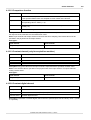
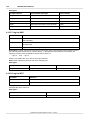
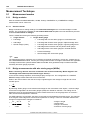
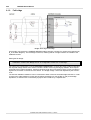
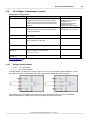
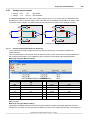
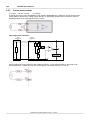
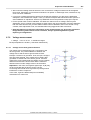
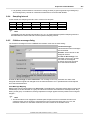
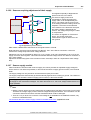
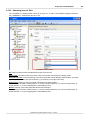
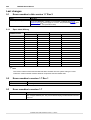
6.17.1 Voltage measurement
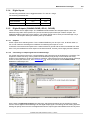
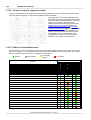
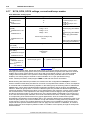
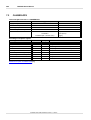
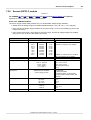
· ±60 V... ±100 mV
(only SCI8, SCI16)
· ±10 V... ±100 mV
(SC16)
· ±60 V bis ±20 V
(SC16 with divider plug)
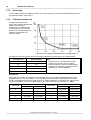
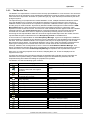
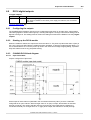
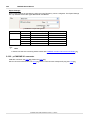
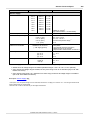
The input impedance in the ranges ±20 V and ±60 V is 1
MW, otherwise 10 MW. The input configuration is
differential and DC-coupled.
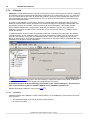
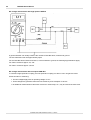
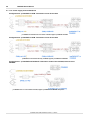
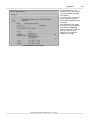
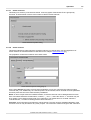
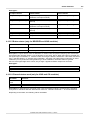
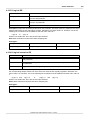
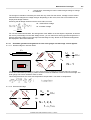
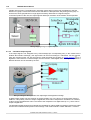
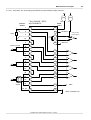
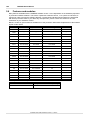
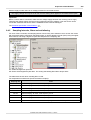
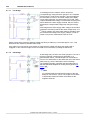
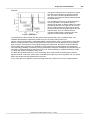
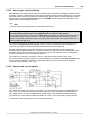
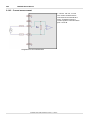
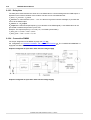
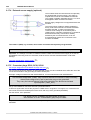
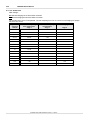
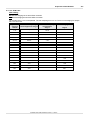
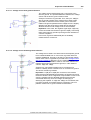
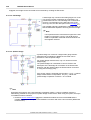
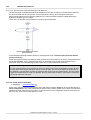
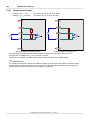
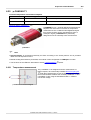
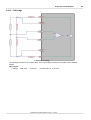
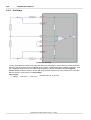
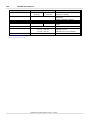
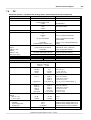
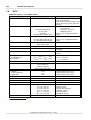
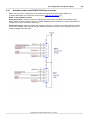
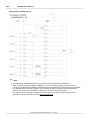
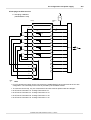
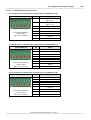
The standard connector is used for voltage
measurement (ACC/DSUB-U4); the thermo-connector
(ACC/DSUB-T4) is also supported.
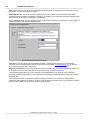
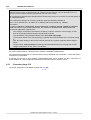
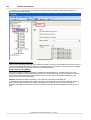
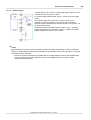
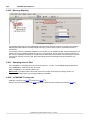
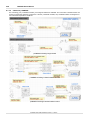
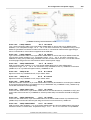
The terminal "(GND)" must not be connected,
especially not grounded!
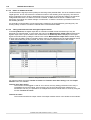
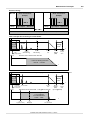
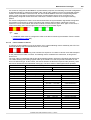
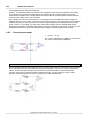
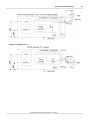
The connection schemes for isolated and non-isolated signal sources are indistinguishable!
CANSAS Users Manual Manual version 1.7 Rev 2
319