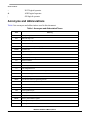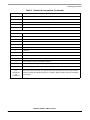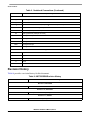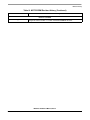
1
Chapter 29
Random Number Generator (RNG)
29.1
Introduction
This chapter describes the Random Number Generator (RNG), including a programming model,
functional description, and application information.
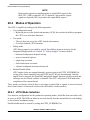
NOTE
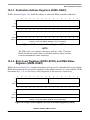
Please note that the MCF5232, MCF5233, and MCF5234 do NOT
contain cryptography modules. Please refer to Table 1-1 for details on
device configurations.
29.1.1 Overview
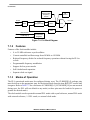
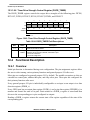
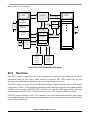
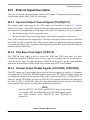
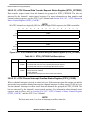
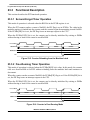
The Random Number Generator (RNG) module is capable of generating 32-bit random numbers.
It is designed to comply with FIPS-140 standards for randomness and non-determinism. The
random bits are generated by clocking shift registers with clocks derived from ring oscillators. The
configuration of the shift registers ensures statistically good data (i.e. data that looks random). The
oscillators with their unknown frequencies provide the required entropy needed to create random
data.
29.2
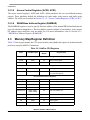
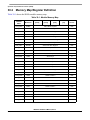
Memory Map/Register Definition
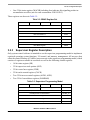
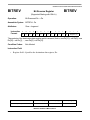
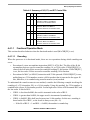
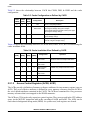
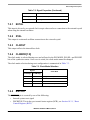
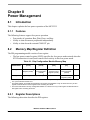
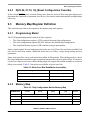
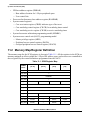
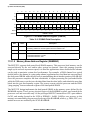
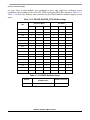
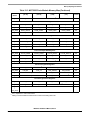
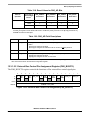
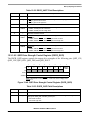
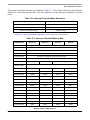
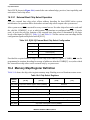
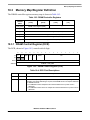
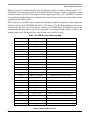
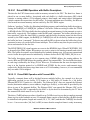
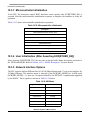
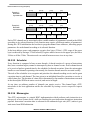
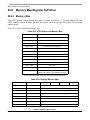
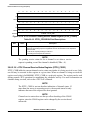
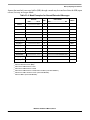
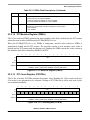
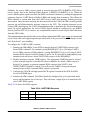
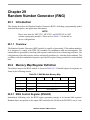
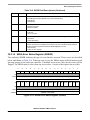
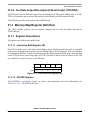
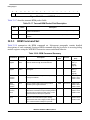
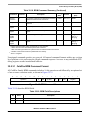
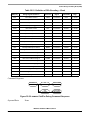
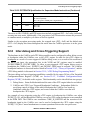
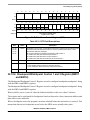
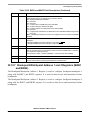
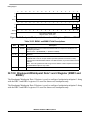
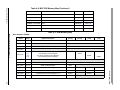
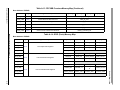
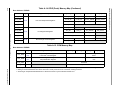
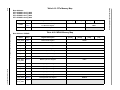
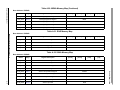
The address map for the RNG module is shown in Table 29-1. Detailed register descriptions are
found in the following section.
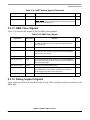
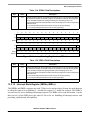
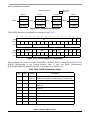
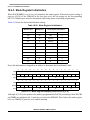
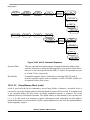
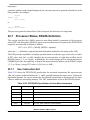
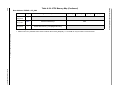
Table 29-1. RNG Module Memory Map
IPSBAR Offset
Mnemonic
[31:24]
[23:16]
[15:8]
[7:0]
Access
0x1A_0000
RNGCR
RNG Control Register
R/W
0x1A_0004
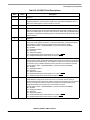
RNGSR
RNG Status Register
R
0x1A_0008
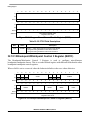
RNGER
RNG Entropy Register
W
0x1A_000C
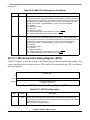
RNGOUT
RNG Output FIFO
R
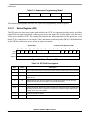
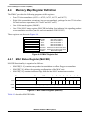
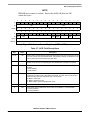
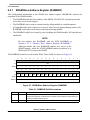
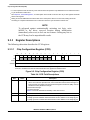
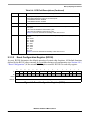
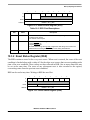
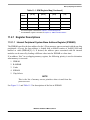
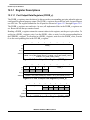
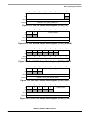
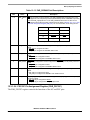
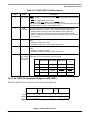
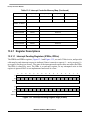
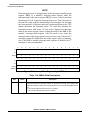
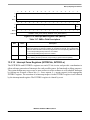
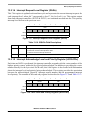
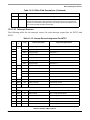
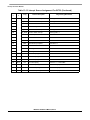
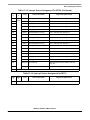
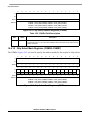
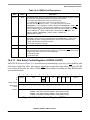
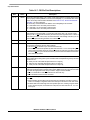
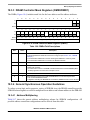
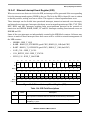
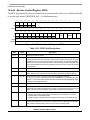
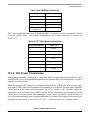
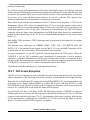
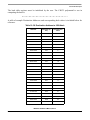
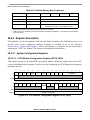
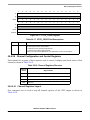
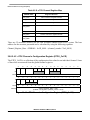
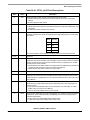
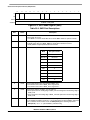
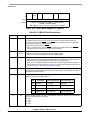
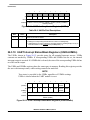
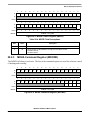
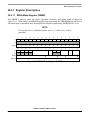
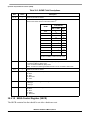
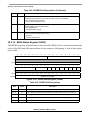
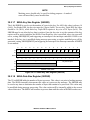
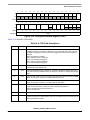
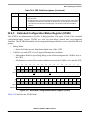
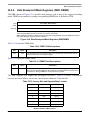
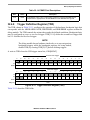
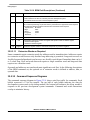
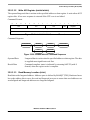
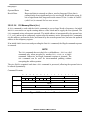
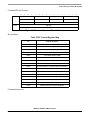
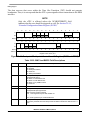
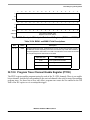
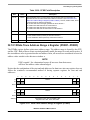
29.2.1 RNG Control Register (RNGCR)
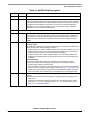
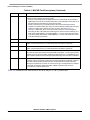
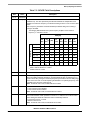
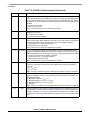
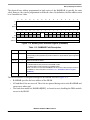
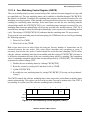
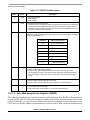
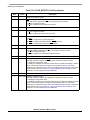
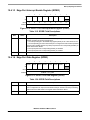
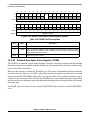
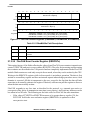
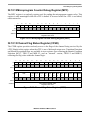
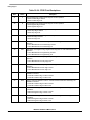
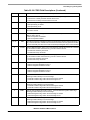
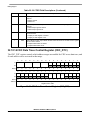
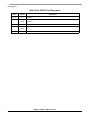
Immediately following reset, the RNG begins generating entropy in its internal shift registers.
Random data is not pushed to the output FIFO until after the GO bit in the RNGCR is set to a one.
MCF5235 Reference Manual, Rev. 2
Freescale Semiconductor
29-1