1
Communication by Gaze Interaction (COGAIN), IST-2003-511598
Case study - Claire
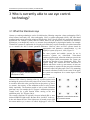
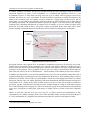
Claire has athetoid cerebral palsy, which means it is very
difficult for her to control her movements. She is very bright,
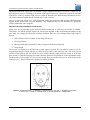
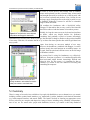
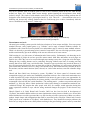
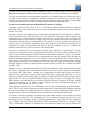
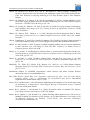
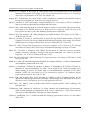
literate and well motivated. She uses a special joystick to
access the computer. Using the joystick and a range of
specialised on-screen grids designed within SAW, she is able
to use the joystick effectively and accurately to control the
computer.
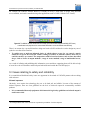
Nonetheless, the method is very time consuming and involves
a great deal of physical effort for her because, with her
particular condition, there is a great deal of involuntary
movement whenever she tries to carry out a manual task. Just
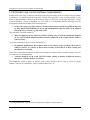
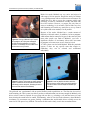
reaching out in order to grasp the joystick handle in the first
place is, in itself, very difficult, with her hand and arm
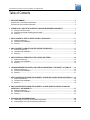
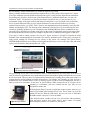
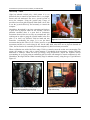
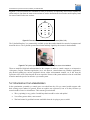
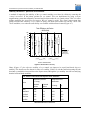
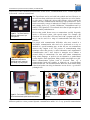
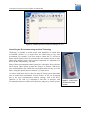
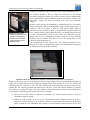
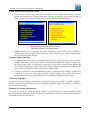
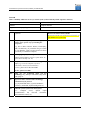
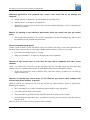
Figure 4.1. Claire: illustration of wheelchair joystick.
sometimes 'overshooting' the target. It is not just hand
movement that has this effect. Even if Claire just tries to speak, this also triggers off a range of involuntary
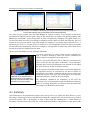
movements and this, too, can be tiring for her. On the other hand, when there are no physical demands on
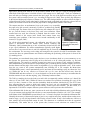
Claire, she has learnt to sit reasonably still with comparatively little involuntary movement.
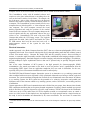
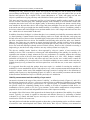
When a calibration was tried with Claire, using a Tobii eye control system, the results were encouraging. The
system did manage to cope with a certain amount of involuntary head movement, whether forwards,
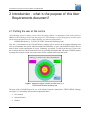
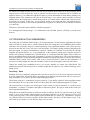
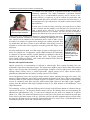
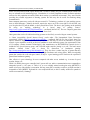
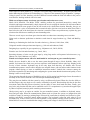
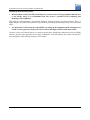
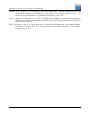
backwards or sideways. When she tried 'eye-writing', using 'dwell-select', despite the cognitive load of
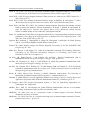
concentrating on eye-typing using an unfamiliar grid layout she still managed to remain comparatively still.
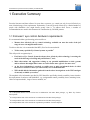
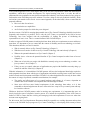
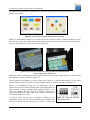
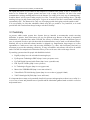
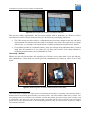
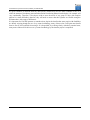
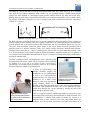
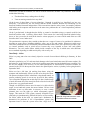
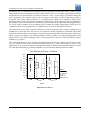
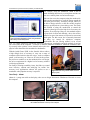
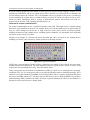
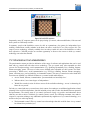
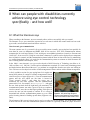
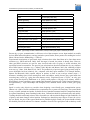
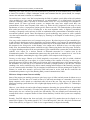
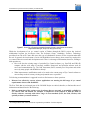
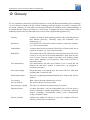
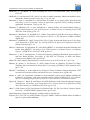
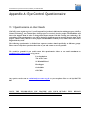
Nonetheless, the targets had to remain reasonably large to maintain accuracy, using the type of grid shown in
Figure 4.3.
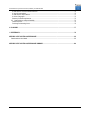
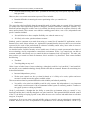
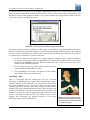
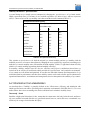
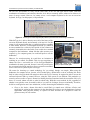
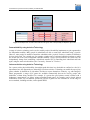
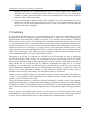
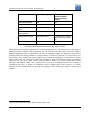
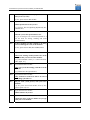
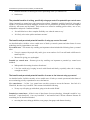
Figure 4.2. Claire sitting in a relaxed position, even
though she is concentrating on eye-typing.
20.10.2005
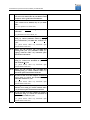
Figure 4.3. Claire using a letter grid with larger cells
to help with accuracy.
20/106