1
Trane C.D.S. eLearning Series
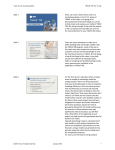
Slide 4 TRACE 700: Single-Zone VAV Systems
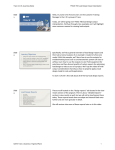
Typical SZVAV Applications
• Large, densely occupied zones with
variable cooling loads (Gymnasiums,
auditoriums, etc.)
• K-12 classrooms
• Retail Stores
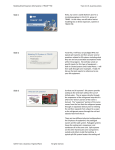
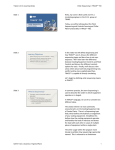
Slide 5 Potential Benefits of SZVAV
• Potential Benefits
•
•
•
Lower Energy Use
Better Dehumidification at Part Load
Less Fan-Generated noise
© 2014 Trane a business of Ingersoll Rand
All rights reserved.
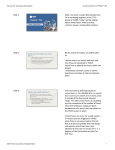
Traditionally , the system has been found in larger rooftops and air handlers used to serve large, densely occupied zones that have variable cooling loads, such as gymnasiums and auditoriums. However, smaller rooftops, air handlers, and terminal units like blower coils and water‐source heat pumps, have been designed with variable speed supply fans and necessary controls so single zone VAV is starting to be used in many different space types. Compared to a constant‐volume system, some of the potential benefits of using a Single Zone VAV system include lower energy use, better dehumidification at part load, and less fan‐
generated noise. Of course the extent of these benefits will depend on the climate, building layout, and operating hours of the specific building. Since the fan is able to modulate airflow to the space during part‐load conditions, there can be considerable fan energy savings. However, it is important to look at the application to determine expected savings. For instance, if a space consistently has high internal loads, the system will be running more hours in cooling mode with higher airflow and probably see less energy savings than if the system operates more hours in heating mode with lower airflow. Dehumidification is better at part load conditions because even at part load, the system will always supply the same cool, dry air. It is the amount of air supplied to the zone that is modulated. Just like in a traditional VAV system. Less noise is generated by the fan when operating at part load conditions. The actual sound level depends on specifics of the fan, but in general when the fan is operating at a slower speed, the noise level also decreases.