1
Chapter 19. The standard library
259
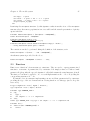
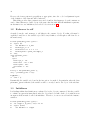
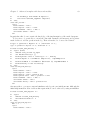
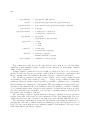
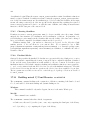
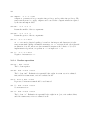
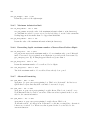
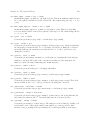
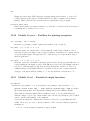
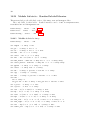
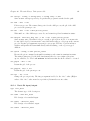
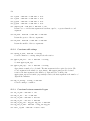
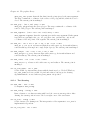
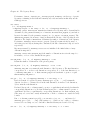
val print_bool : bool -> unit
Print a boolean in the current box.
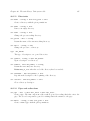
19.8.3
Break hints
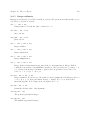
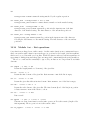
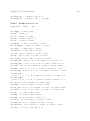
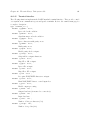
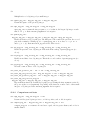
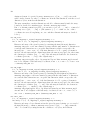
val print_space : unit -> unit
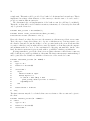
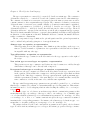
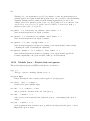
print_space () is used to separate items (typically to print a space between two words). It
indicates that the line may be split at this point. It either prints one space or splits the line.
It is equivalent to print_break 1 0.
val print_cut : unit -> unit
print_cut () is used to mark a good break position. It indicates that the line may be split
at this point. It either prints nothing or splits the line. This allows line splitting at the
current point, without printing spaces or adding indentation. It is equivalent to
print_break 0 0.
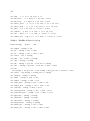
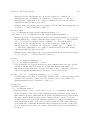
val print_break : int -> int -> unit
Insert a break hint in a pretty-printing box. print_break nspaces offset indicates that
the line may be split (a newline character is printed) at this point, if the contents of the
current box does not fit on the current line. If the line is split at that point, offset is
added to the current indentation. If the line is not split, nspaces spaces are printed.
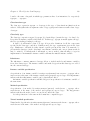
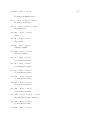
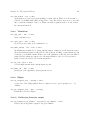
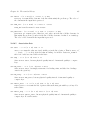
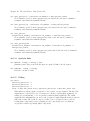
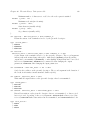
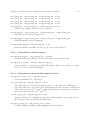
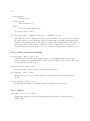
val print_flush : unit -> unit
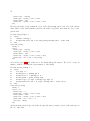
Flush the pretty printer: all opened boxes are closed, and all pending text is displayed.
val print_newline : unit -> unit
Equivalent to print_flush followed by a new line.
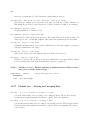
val force_newline : unit -> unit
Force a newline in the current box. Not the normal way of pretty-printing, you should
prefer break hints.
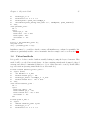
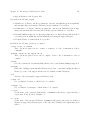
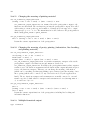
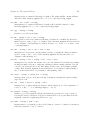
val print_if_newline : unit -> unit
Execute the next formatting command if the preceding line has just been split. Otherwise,
ignore the next formatting command.
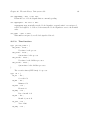
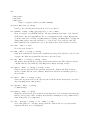
19.8.4
Margin
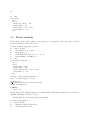
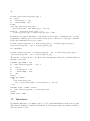
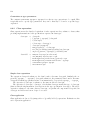
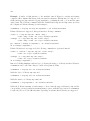
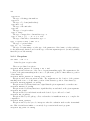
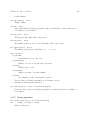
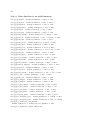
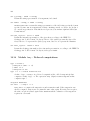
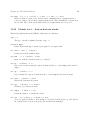
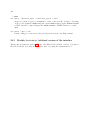
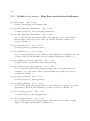
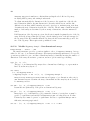
val set_margin : int -> unit
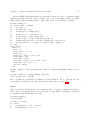
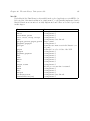
set_margin d sets the value of the right margin to d (in characters): this value is used to
detect line overflows that leads to split lines. Nothing happens if d is smaller than 2 or
bigger than 999999999.