1
Chapter 20. The unix library: Unix system calls
329
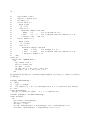
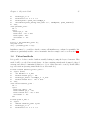
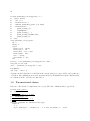
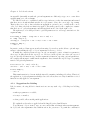
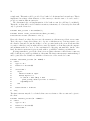
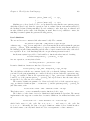
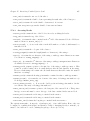
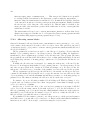
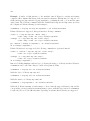
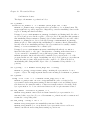
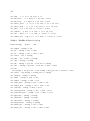
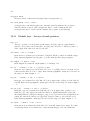
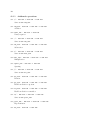
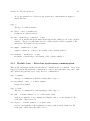
val close_process_in : Pervasives.in_channel -> Unix.process_status
Close channels opened by Unix.open_process_in, wait for the associated command to
terminate, and return its termination status.
val close_process_out : Pervasives.out_channel -> Unix.process_status
Close channels opened by Unix.open_process_out, wait for the associated command to
terminate, and return its termination status.
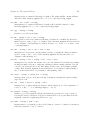
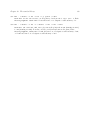
val close_process :
Pervasives.in_channel * Pervasives.out_channel -> Unix.process_status
Close channels opened by Unix.open_process, wait for the associated command to
terminate, and return its termination status.
val close_process_full :
Pervasives.in_channel * Pervasives.out_channel * Pervasives.in_channel ->
Unix.process_status
Close channels opened by Unix.open_process_full, wait for the associated command to
terminate, and return its termination status.
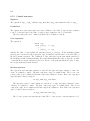
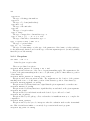
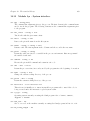
20.1.14
Symbolic links
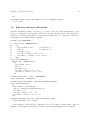
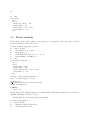
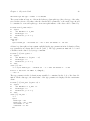
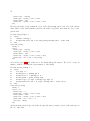
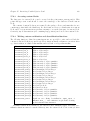
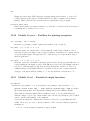
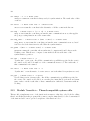
val symlink : string -> string -> unit
symlink source dest creates the file dest as a symbolic link to the file source.
val readlink : string -> string
Read the contents of a link.
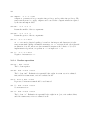
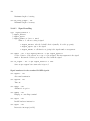
20.1.15
Polling
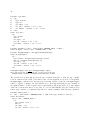
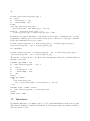
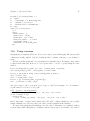
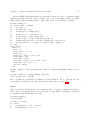
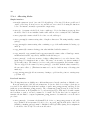
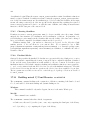
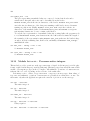
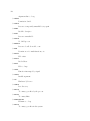
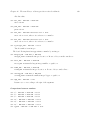
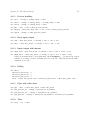
val select :
Unix.file_descr list ->
Unix.file_descr list ->
Unix.file_descr list ->
float -> Unix.file_descr list * Unix.file_descr list * Unix.file_descr list
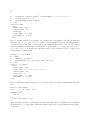
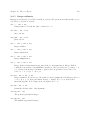
Wait until some input/output operations become possible on some channels. The three list
arguments are, respectively, a set of descriptors to check for reading (first argument), for
writing (second argument), or for exceptional conditions (third argument). The fourth
argument is the maximal timeout, in seconds; a negative fourth argument means no timeout
(unbounded wait). The result is composed of three sets of descriptors: those ready for
reading (first component), ready for writing (second component), and over which an
exceptional condition is pending (third component).