1
16
C Language Bindings
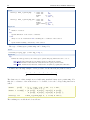
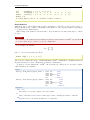
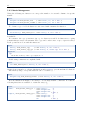
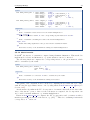
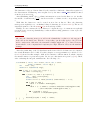
The arrays are directly used by the vector data type, i.e. changing the content of the arrays
also changes the content of the vector. This gives the possibility to efficiently access the vector
coefficients as it is shown in the following example:
unsigned int
n
= 1024;
double
* arr = (double *) malloc( sizeof(double) * n );
vector_t
x
= hlib_vector_import_array( arr, n, & info );
for ( i = 0; i < n; i++ )
arr[i] = i+1;
The coefficient i of the vector x would also equal i + 1 as does the array element arr[i+1].
pro
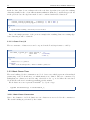
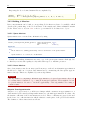
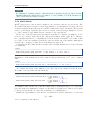
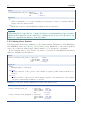
Such kind of vectors, e.g. scalar vectors, can also be created directly by H-Lib :
Syntax
vector_t hlib_vector_alloc_scalar ( unsigned int size, int * info );
vector_t hlib_vector_alloc_cscalar ( unsigned int size, int * info );
Arguments
size
Size of the scalar vector.
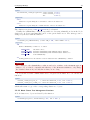
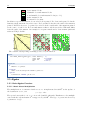
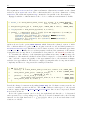
Since no external C array is available to access the elements of the vectors, this is accompro
plished by H-Lib functions. To get a specific element of a vector, the following two functions
can be used:
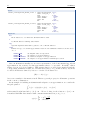
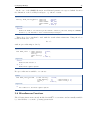
Syntax
double
hlib_vector_entry_get
( const vector_t
unsigned int
int
*
complex_t hlib_vector_centry_get ( const vector_t
unsigned int
int
*
Arguments
x
Vector to get element from.
i
Position of the element in the vector.
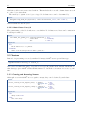
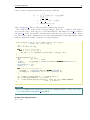
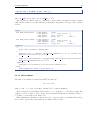
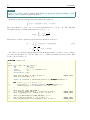
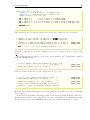
Similarly, the setting of a vector element is defined:
x,
i,
info );
x,
i,
info );