1
Chapter 8. Sharing Functions with Code Libraries
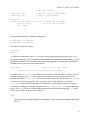
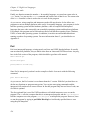
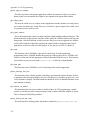
indefinite number of additional arguments after the string. Most functions can only take a
specified number of arguments. printf, however, can take many. It will look into the string
parameter, and everywhere it sees the characters %s, it will look for another string from the stack
to insert, and everywhere it sees %d it will look for a number from the stack to insert. This is best
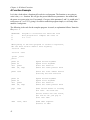
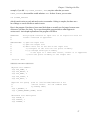
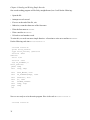
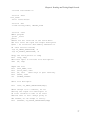
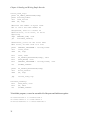
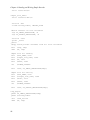
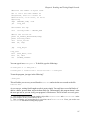
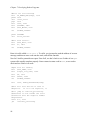
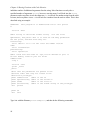
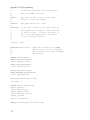
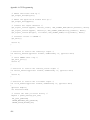
described using an example:
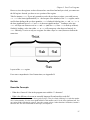
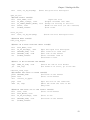
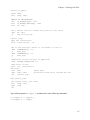
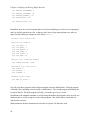
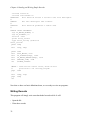
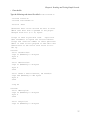
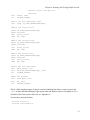
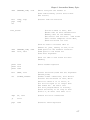
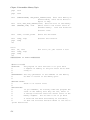
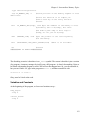
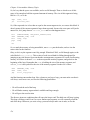
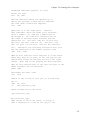
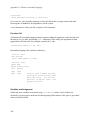
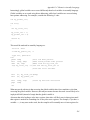
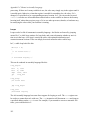
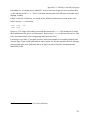
#PURPOSE:
#
This program is to demonstrate how to call printf
.section .data
#This string is called the format string. It’s the first
#parameter, and printf uses it to find out how many parameters
#it was given, and what kind they are.
firststring:
.ascii "Hello! %s is a %s who loves the number %d\n\0"
name:
.ascii "Jonathan\0"
personstring:
.ascii "person\0"
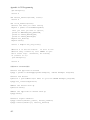
#This could also have been an .equ, but we decided to give it
#a real memory location just for kicks
numberloved:
.long 3
.section .text
.globl _start
_start:
#note that the parameters are passed in the
#reverse order that they are listed in the
#function’s prototype.
pushl numberloved
#This is the %d
pushl $personstring #This is the second %s
pushl $name
#This is the first %s
pushl $firststring
#This is the format string in the prototype
call printf
pushl $0
call exit
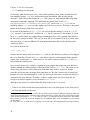
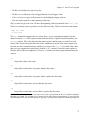
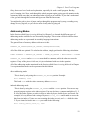
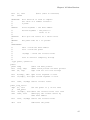
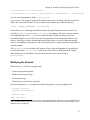
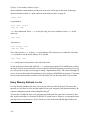
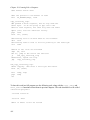
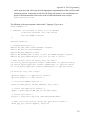
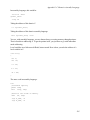
Type it in with the filename printf-example.s, and then do the following commands:
98