1
1
Introduction
During the past 3 decades there has been a proliferation of different rear suspension designs. Prior to this, with a
few notable exceptions like the Vincent, most motorcycles used the traditional double shock system, with the
shocks mounted approximately vertical towards the wheel end of the swing-arm. This gave almost linear effective
wheel rates and the available wheel movement was limited to about 10 or 20% more than the shock stroke.
Double springs or progressively wound springs were sometimes employed to give a progressive rate at the
wheel.
The modern era was initiated when the Yamaha “cantilever” revived the Vincent system, and employed just one
suspension unit – “monoshock”, although the original Vincent system used two shocks along side each other.
Initially the Yamaha version was designed for moto-cross to extend wheel movement, and this led to a wide
variety of alternative rear suspension systems by several manufacturers. These quickly spread into most other
forms of motorcycling, including racing and road use. Many of these “new” designs also incorporated movement
geometries that gave varying degrees of progression.
Whilst these progressive systems offer a much wider range of set-up options, they have also been the source of
much confusion. Most people find it more difficult to understand the precise behaviour of the suspension action.
It is usually necessary to go through awkward step by step physical measurement and tedious geometric plotting,
to get an idea of the characteristics.
Along with improvements in rear suspension, as well as engine and tyre technology there has been an increased
need to setup the overall configuration of sports and competition motorcycles to levels of refinement not seen in
the past. Unfortunately the methods and tools to do this have not been generally accessible outside of the
confines of the design departments of the motorcycle manufacturers.
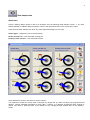
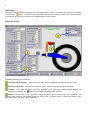
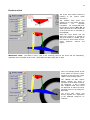
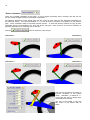
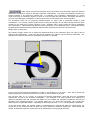
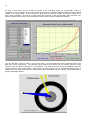
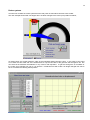
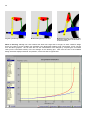
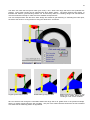
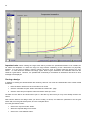
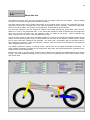
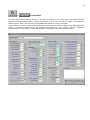
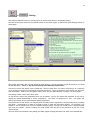
This software is designed to make that job easy. It is only necessary to enter some dimensional data to
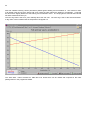
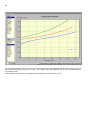
automatically get detailed information about any suspension design, and setup configuration. It becomes a rapid
exercise to investigate many different permutations of any design.
Indispensable for anyone involved in :
Designing or modifying a motorcycle.
Setting up sport or racing motorcycles.
Achieving improved comfort and handling.
Students.
Anyone wanting to better understand the workings of suspension systems and motorcycle setup.
Virtually all designs of current rear suspension systems can be analyzed by inputting appropriate data. The BMW
paralever and similar designs are not presently supported.
However, designs are continually evolving and if you find it impossible to specify any particular layout with the
existing programme then please send an email [email protected] describing the design. We will try and
update the software to accommodate all systems that we regard of interest.
This software is currently limited to analyzing telescopic forks at the front. This does not prevent the overall
analysis of a machine fitted with an alternative front end. The rear suspension, anti-squat and attitude
calculations will still apply.
Foot note (Alternative front ends.)
For anyone interested in analyzing alternative front ends we have some stand alone software which may be of
interest. This will calculate numerous parameters (such as anti-dive, rake and trail variation etc, etc.) of all known
systems supported by arms and/or links. It does not handle any with sliding elements. For example it will
analyze the new BMW duolever but not the older telelever which has sliding members. Email
[email protected] for further information.