1
C Language Implementation
7
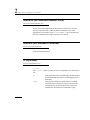
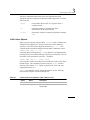
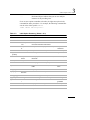
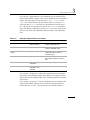
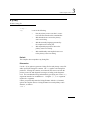
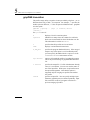
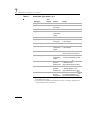
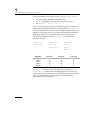
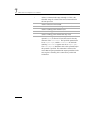
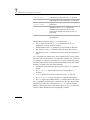
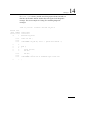
A constraint consists of one or more of the characters listed below. The
compiler generates code if necessary to make the C language object or
expression match one of the constraint characters. The associated
operand is an integer literal or a machine register or an assembly label that
is put in place of a substitution directive.
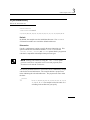
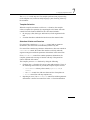
In general, it is better to write the asm such that the compiler does not need
to generate extra code to make a constraint match. An operand can
contain an empty constraint string if it is not used in the
asm-template.
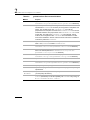
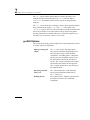
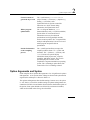
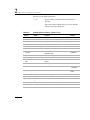
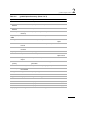
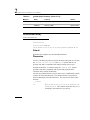
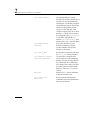
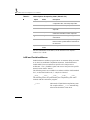
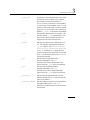
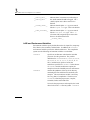
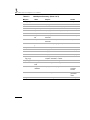
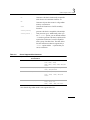
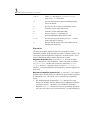
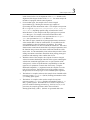
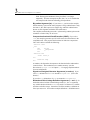
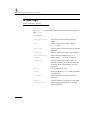
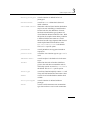
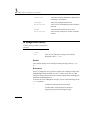
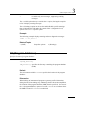
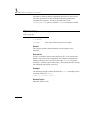
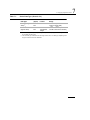
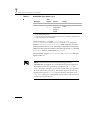
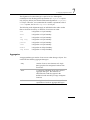
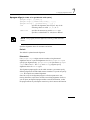
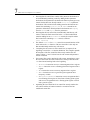
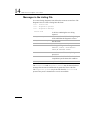
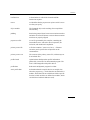
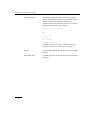
The valid constraint characters are as follows:
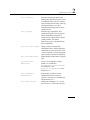
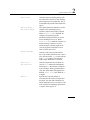
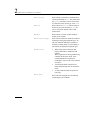
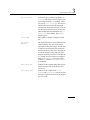
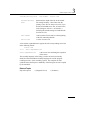
=
Specifies that the operand is assigned into. All
output-spec constraints must start with this
character.
&
Unless an output operand uses the & constraint, the
compiler may allocate it in the same register as an unrelated
input operand, on the assumption that the inputs are
consumed before the outputs are produced. If the assembler
code consists of more than one instruction, this assumption
may be false. In this case, you should use the &
constraint for each output operand that may not overlap
an input.
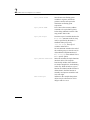
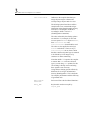
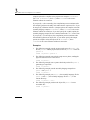
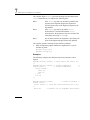
d
Allows any local or global word register.
r
Allows any local or global word register.
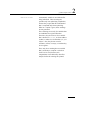
l
Allows any local register (r3-r15).
b
Allows any global register (g0-g15).
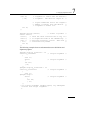
t
Allows any two-word register.
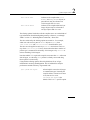
q
Allows any quad-word register.
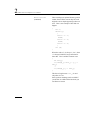
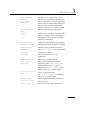
f
Allows any floating-point register fp0 through fp3. This
constraint is only valid for the i960 KB and i960 SB
processors and only then if the gcc960 msoft-float option
is not used.
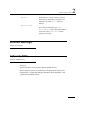
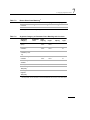
m
Allows any memory operand.
7-61