1
Services
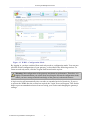
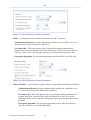
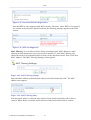
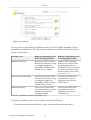
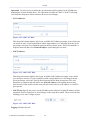
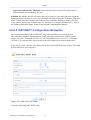
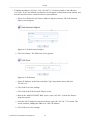
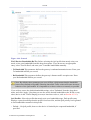
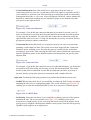
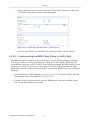
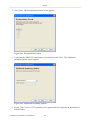
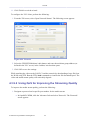
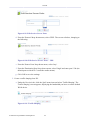
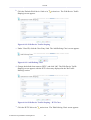
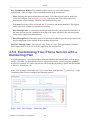
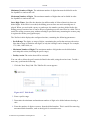
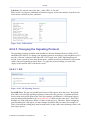
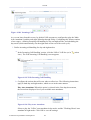
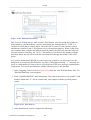
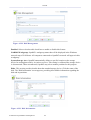
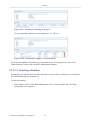
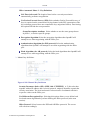
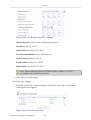
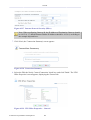
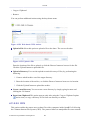
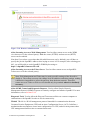
Figure 4.41 NAT/NAPT Rule Sets
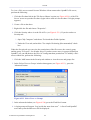
This rule translates a LAN IP address to a NAT IP address with ports 1024-1100.
However, only ports 1051-1100 will be used for this LAN computer, as ports 1024-1050
are already in use by the preceding rule. The status is set to "Active".
Every new NAT/NAPT rule is verified in relation to preceding rules. Rules are prioritized
according to the order in which they are defined. As long as at least one unused IP address (or
port) is available, the rule will be accepted. However, as seen in the examples above, not all
addresses in the range defined may be available for computers in that rule; some may already
be in use by other rules. OpenRG automatically calculates the relationships between rules,
narrowing down the address ranges if needed, and thus provides great flexibility for user input.
The verification performed by OpenRG is as follows:
• NAT rule – Verifies whether the IP address is already in use by another NAT/NAPT rule.
• NAPT rule
1. Verifies whether the port is already in use by another NAPT rule activated on the same
IP address.
2. Verifies whether the IP address is already in use by another NAT rule.
4.3 Managing Your Bandwidth with
Quality of Service
Network-based applications and traffic are growing at a high rate, producing an ever-increasing
demand for bandwidth and network capacity. For obvious reasons, bandwidth and capacity
cannot be expanded infinitely, requiring that bandwidth-demanding services be delivered over
existing infrastructure, without incurring additional, expansive investments.
The next logical means of ensuring optimal use of existing resources are Quality of Service
(QoS) mechanisms for congestion management and avoidance. Quality of Service refers to
© 1998-2010 Jungo Software Technologies Ltd.
56