1
result in performance increases that more than compensate for the increase in
unmeasured time.
In some situations, using effectiveness to evaluate supervisors and managers is not
advised. For example, spending more time on safety meetings or cleanup will
probably lower effectiveness. However, these may be beneficial and worthwhile
activities.
Using performance and effectiveness are very convenient for evaluating associates
and supervisors because they summarize the results of all activities down to single
numbers. They primarily provide information about the amount of diligence, effort
and skill associates and supervisors use to get the job done.
However, performance and effectiveness do not provide a true measure of
productivity. For example, an automobile assembly line’s speed is set to produce
cars at a constant rate. If the methods and standards are changed so that fewer
assemblers are required, the performance may remain the same or even go down.
However, if the speed of the assembly line is not changed, the same number of cars
per hour will come off the end of the assembly line and thus the cars produced per
man hour will increase.
Productivity is usually measured as units per hour. It is the measurement that is
most often used by management to track results. In fact, as we move up through an
organization the more managers rely on monitoring overall productivity and the less
they rely on monitoring performance.
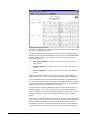
ProRep provides pre-defined reports that list all activities and their respective units
per hour. However, if there are 30 or more activities, as is typical, it becomes
difficult to judge the overall productivity of an area or facility. Therefore, most
ProRep users create several user-defined reports and graphs that focus on particular
areas and key operational statistics.
User’s Guide to ProRep
Chapter 4: How ProRep Works • 41