1
introducing a space)? Why not put some of the characters in
does nothing (other than insert 0).
, which
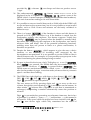
32 Star (
) moves the cursor left without deleting, and
moves right.
The symbols don’t have any natural association with left or right motion
(though the
is to the left of the
key).
33 To delete a symbol from the LCD (when permitted) the decrease volume
button (which is not labelled as supporting this purpose) is used.
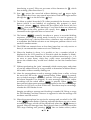
Decrease volume,
, deletes the last symbol and moves left, but
) does nothing other than beep. Except that if there are characters
to the right of the entry position (the cursor), then
deletes all
characters to the right and does not move left!
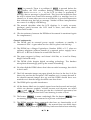
34 The button
normally introduces a pause in recorded dialling
sequences, in fax speed setting mode, however, it is used to protect—in
an unspecified way—the fax from echoes; whether a user would be likely
to remember this hidden solution to an infrequent problem when it was
needed is another matter.
35 The DF200 can transmit faxes at four baud rates but can only receive at
three (it can transmit but cannot receive at 7200 baud).
36 When the handset is down, it is possible to key a number (which is
displayed in the LCD panel but is discarded when the handset is lifted).
However in the same situation, the one-key abbreviations beep (i.e., it is
an error to press them), when they could—more consistently—have
shown the number they would have dialled out had the handset been
lifted.
37 Without performing the ‘print’ command (which wastes paper, and prints
all one-key abbreviations) it is not possible to determine an abbreviation’s
full number without actually dialling out.
38 After the answerphone records a message (either from a caller, or from
the user) the LED on the
button flashes. When
is pressed,
any recorded messages are heard, and the LED stops flashing when all
have been listened to (or skipped). If a new message now arrives, earlier
recordings will be erased unless
is pressed. When
has
been pressed subsequent messages are appended to the list of recordings,
however the LED does not flash in this case. Thus there may be recordings,
whether the LED flashes or not.
Imagine recording a message and checking it sounds OK. Doing so stops
the LED flashing, and thus whoever is supposed to take the message will
not know one has arrived.
39 When the answerphone has received a message and recorded it, the LED
in the
button flashes. Flashing indicates that there are one or more
recorded messages, which will be played back when the
button is
pressed. When all messages have been played, there is a final tone and the
LED stops flashing and pressing
has no further effect (unless
23