1
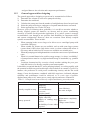
5.5 Foundation for solar panel mounting structures
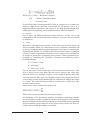
Solar PV installations require
support structures, commonly
referred to as racking or mounting,
to secure the panels to the ground
or building roof. For ground
mounted structures racking may
be mounted onto foundations that
are driven (I beams, channels or
posts), or screwed (helical piles
and earth screws). Ground systems
are either fixed tilt or track the
movement of the sun, either in one
axis or two axes. Roof top racking
are either ballasted with concrete
pavers resting on ballast trays, or
attached with penetrations onto the
roof of the building, or fastened to
metal seams with clips. There are
also hybrid systems which are
principally ballasted but also have
attachments to compensate for
seismic issues or where roof pitch
typically exceeds 5 degrees. The
size of installation, available
surface area, type of incentive and
utility program, building type and
ground conditions predicate which
system will be used.
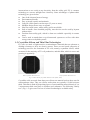
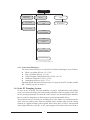
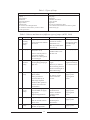
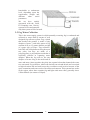
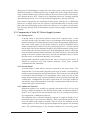
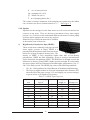
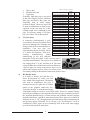
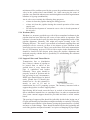
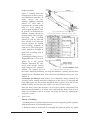
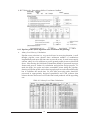
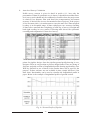
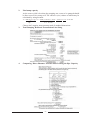
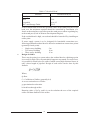
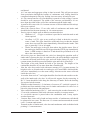
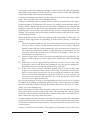
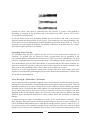
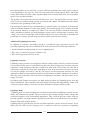
Fig. 5-20 Roof Layout of PV Modules
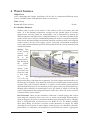
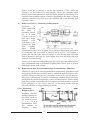
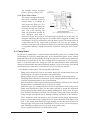
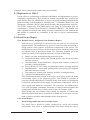
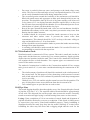
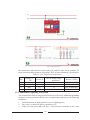
Fig. 5-21 Ground Layout PV Modules
If the solar panel is to be rest on
roof, proper fastening of the panels
into the roof is essential. In
addition, the house owner should
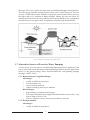
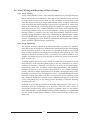
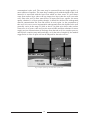
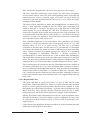
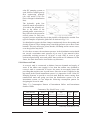
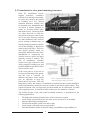
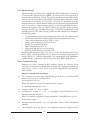
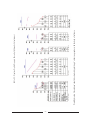
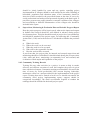
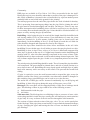
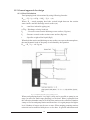
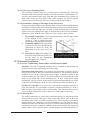
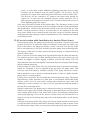
Fig. 5-22 Ground Mounted Solar Panel-Mounting Post and Footing Details
Source: Design of Small Photo Voltaicf (PV)
give no objection to keep the
Solar-Powered Water Pump Systems USDA
panels above his house. This will
particularly reduce the chances of vandalism of panels but these panels should be
such located that they should be easily accessible as and when required basis. They
required frequent visit for inspection and that should not be obstructed. In small
water supply projects, it could be feasible as there are few numbers of panels.
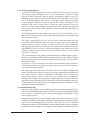
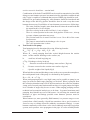
The footing design of the solar panel mounting structures is dependent on the
following parameters:
•
•
•
•
•
•
Tilt angle and tracking characteristics of the solar power system.
Local design wind speeds where the solar power system is to be installed.
Support and racking configuration.
Overall solar module system size and weight.
Local design codes and project requirements.
Soil characteristics relative to friction, sliding, consolidation, slope stability, etc.
41