1
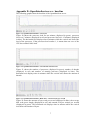
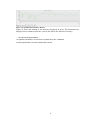
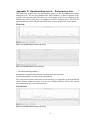
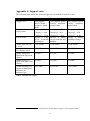
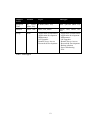
To store information into a cached memory is to store the information in a place that has faster access time than the normal physical memory o Shared memory Typically, it refers to a large block of memory that can be accessed by several CPU:s simultaneously in a multi-CPU computer o Free memory Processor load o Average processor load, one minute o Average processor load, five minutes o Average processor load, fifteen minutes Network load o Incoming traffic on the network interface Hard-drive space o Size of remaining space of the partition The remaining size of the partition containing the operating system o Free disk space on /home This purpose of this measurement is to see if the users homefolders are affected by the thin-client solutions o Free swap space The swap space is a place where information can be stored temporarily to allow a computer to read and write the data into the physical memory faster than normal on a hard-drive All of the compared solutions are monitored this way with Zabbix. The graphs extracted from these attributes are shown in appendix B-E. 4.4 Comparing prices In order to give a correct comparison between different product-solutions it is important to take the costs into consideration. The different types of costs that are compared are: “initial cost”, “running cost” and “support cost”. For more information, see Table 1: Thin-client Costs. To ensure that the prices are correct, contact is made with the respective customer-contact support where the price-list will be requested. The price-lists will vary depending on the actual size of the network so all of these price-requests are based on the topology design created for the construction of the network (see 4.2). Table 1: Thin-client costs Type: Definition: Initial cost After the design of the network topology has been completed, the required hardware needs to be purchased. It can also involve 12