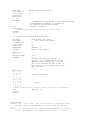
1
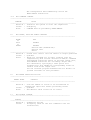
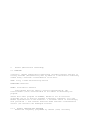
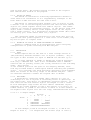
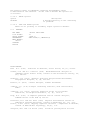
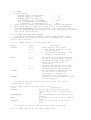
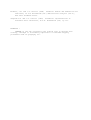
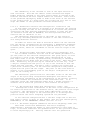
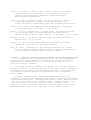
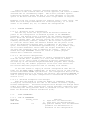
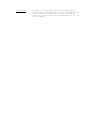
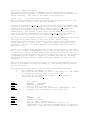
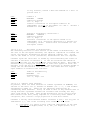
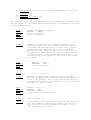
к
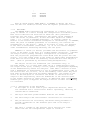
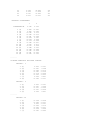
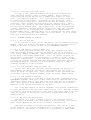
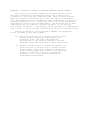
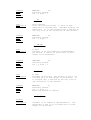
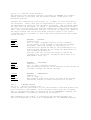
=
_1_
S2
∑
i≠j
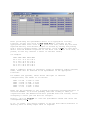
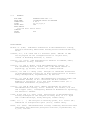
wij ( xi - xj )2
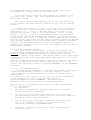
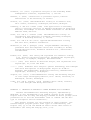
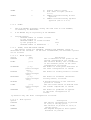
Where
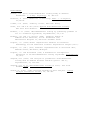
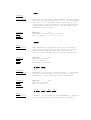
wij =
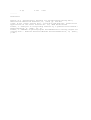
and
and
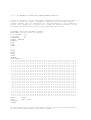
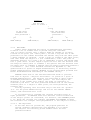
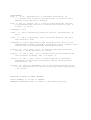
f
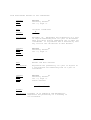
f (|pi – pj|)
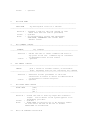
is a monotone decreasing function,
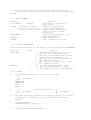
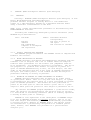
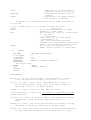
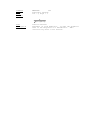
_
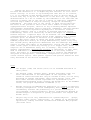
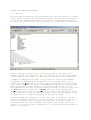
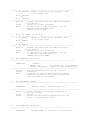
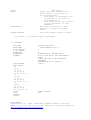
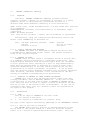
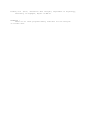
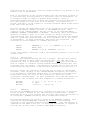
S2 = _1_ ∑ ( xi - x )2
N i
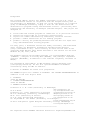
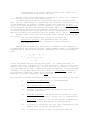
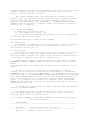
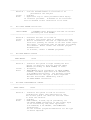
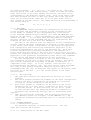
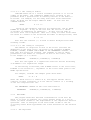
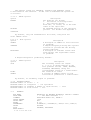
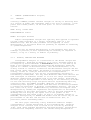
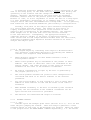
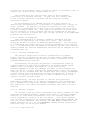
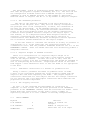
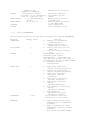
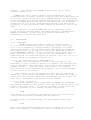
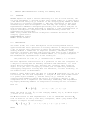
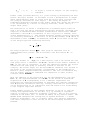
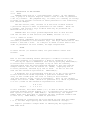
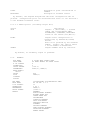
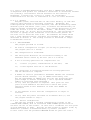
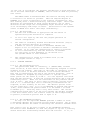
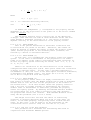
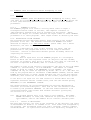
In PROFIT the independent p corresponds to one property and the
dependent x to the projections of the points on to the vector. PROFIT
seeks to minimize к.
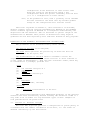
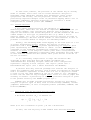
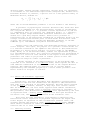
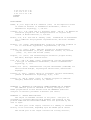
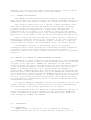
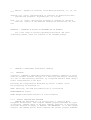
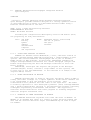
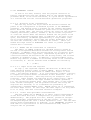
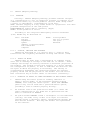
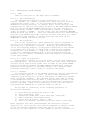
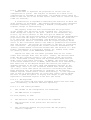
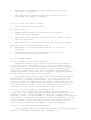
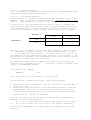
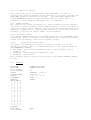
The weighting function plays a crucial role in the definition
of Kappa. This function can take on three different values and each
value defines a different "flavour" of к. The choice of flavour
depends crucially on the characteristics of the property values.
16.2.3.2.1.1 When WEIGHT (0)
This is the general definition of non-linear correlation and
no restrictions are placed on the data. Therefore, this index can
always be applied to examine the extent to which the property values
(data) and the projections of the stimulus points (solution) are
related by a smooth or continuous function.
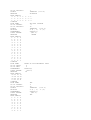
16.2.3.2.1.2 When WEIGHT (1)
In this case, it is assumed that the property values are equally
spaced. So the level of measurement of the properties is in effect
taken to be ordinal if the order is specified with equal intervals. To
do this any equally spaced values may be chosen, such as 1, 2, 3,...N
or 5, 10, 15,...5N.
There is no restriction on the characteristics of the stimulus
configuration when using this option. This option limits the calculation
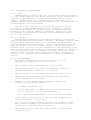
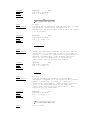
of Kappa to adjacent points. In this case, κ becomes equivalent to
Von Neumann's η (Eta, the ratio of the mean square successive difference)
as defined in Von Neumann (1941). See below (16.2.3.2.2.2) for the
use of BCO in conjunction with this option.
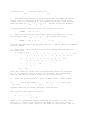
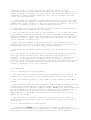
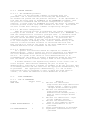
16.2.3.2.1.3 When WEIGHT (2)
If the property values tend to be highly clustered into two or
more groups of values, then the PROFIT program can be used to determine
whether this is also the case for the projections of the stimuli on
the fitted vector. To do this we must choose the property values in
such a way that it becomes possible to discriminate the clusters.
Ordinal level of measurement is sufficient, provided the property
values are equally spaced. By defining the maximum distance between
two points which are to be taken as falling in the same grouping,
the program then selects the clusters. This maximum distance is set
using the BCO parameter (see 2.3.2.2.3 below).
The weight factor will now have the effect of restricting
attention to property distances which are close to each other (in
effect, in the same grouping) and ignoring values outside the BCO
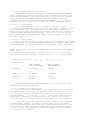
value. In this case, κ can be shown to be the equivalent of the
"correlation ratio" (Carroll 1964, see also Nie et al, 1975).
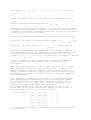
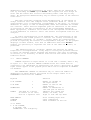
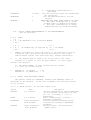
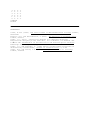
16.2.3.2.2 The use of the BCO parameter
This parameter has a different use and meaning when used in
conjunction with different WEIGHT options: