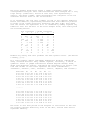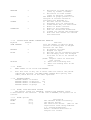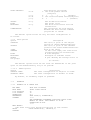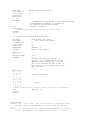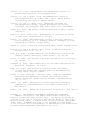
1
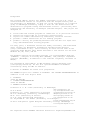
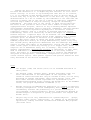
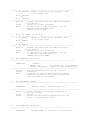
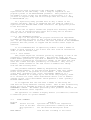
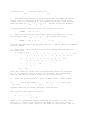
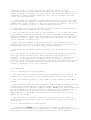
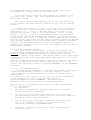
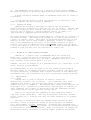
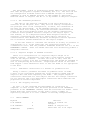
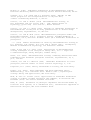
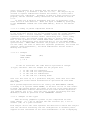
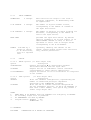
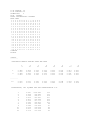
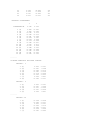
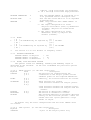
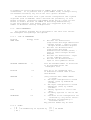
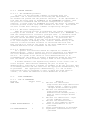
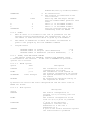
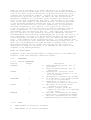
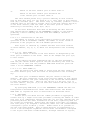
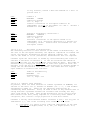
Data may be input to MDPREF in this form by specifying DATA TYPE(1).
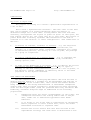
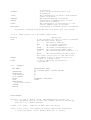
In various data-collection techniques it may be that the ordering
obtained begins with the least-preferred stimulus so that the previous
example would in this case be written as: BEDCA, signifying that B
is least preferred, followed by E, and so forth. If this is the case
then the data should be specified as: DATA TYPE(2).
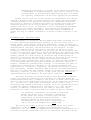
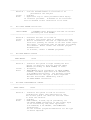
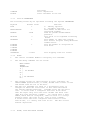
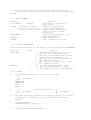
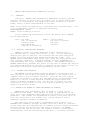
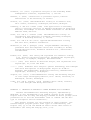
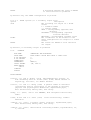
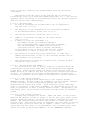
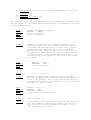
A different way of representing such data is by the 'score'
method. In this method each column represents a particular stimulus
and the entry in that column gives the score or rating of that stimulus
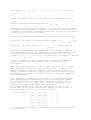
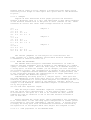
(for that subject) in his 'scale of preference'. Thus, in our original
example the I-scale ACDEB (where A is preferred to C, which is preferred
to D etc.) would in this method be represented as follows:
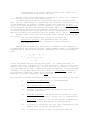
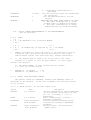
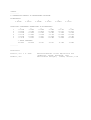
subject
i
A B C D E
1 5 2 3 4
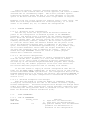
In this instance, the lowest number ('1') is used to denote the most
preferred stimulus and the highest ('5') to represent the least preferred.
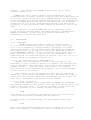
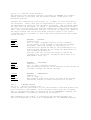
This option is chosen by: DATA TYPE(3). Alternatively, the highest
number might have been used to represent the most preferred stimulus
and if this is so, DATA TYPE(4) should be specified.
(Although in illustrating the score method we have used the number
1 to 5, the data might equally well have been numerical ratings).
For an example see 5.2.1.2.1.1
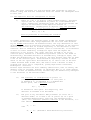
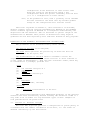
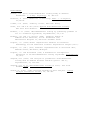
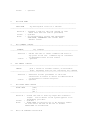
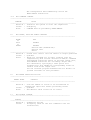
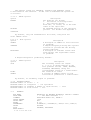
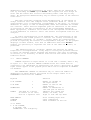
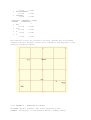
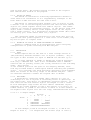
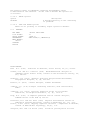
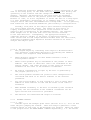
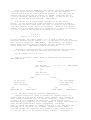
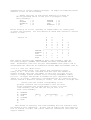
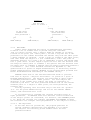
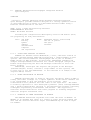
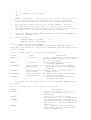
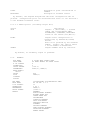
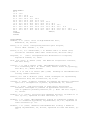
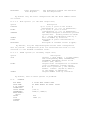
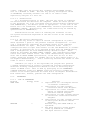
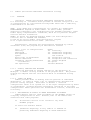
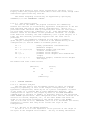
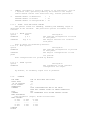
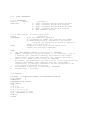
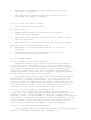
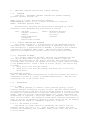
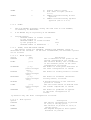
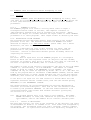
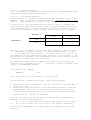
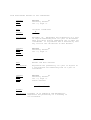
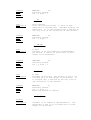
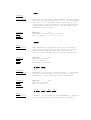
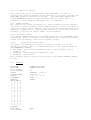
Figure 1 provides a simple means of identifying the appropriate
DATA TYPE value.
Figure 1.
Are the data
----- Yes ----- DATA TYPE(O)
pair comparisons ?
│
No
│
Are the data
ranks or scores?
/
\
ranks
scores
/
\
Is the first
Does the highest
stimulus the
value mean most
most preferred?
preferred?
/
\
/
\
yes
no
yes
no
DATA TYPE (1)
DATA TYPE(2)
DATA TYPE(3)
DATA TYPE(4)
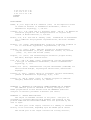
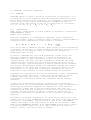
7.2.1.2 The pair-comparisons matrices (DATA TYPE(0))
Suppose a subject is asked to consider all possible pairs of p
stimuli and for each pair to indicate which stimulus (s)he prefers (or
which stimulus possesses more of a given attribute). (S)he is asked
to make p (p-1)/2 judgments of preference. (Since this increases
approximately as p-squared, with a large number of stimuli this number of
pairs becomes prohibitively large. Consequently, strategies
exist to reduce the number of judgments (see 5.2.3.1)). The data thus
obtained may be collected into a square, asymmetric matrix whose
rows and columns each represent the p stimulus points, whose entries
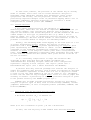
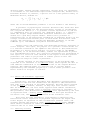
aij take the value 1 if the subject prefers stimulus i to stimulus j,