1
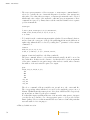
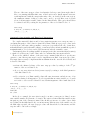
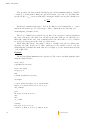
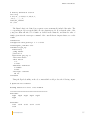
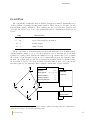
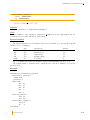
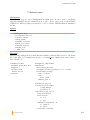
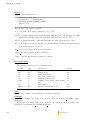
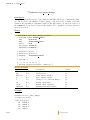
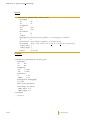
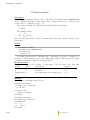
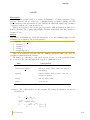
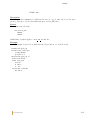
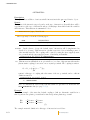
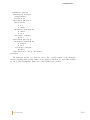
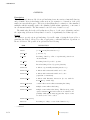
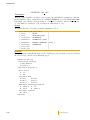
<CRITERION>
<CRITERION> cast iron
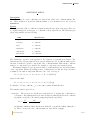
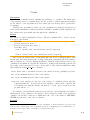
Description:
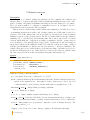
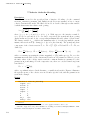
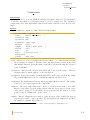
This criterion provides assymetric tension/compression behavior which is suggested for cast
iron modeling [Hjel94,Jose95]. In general this model would be used with behavior gen_evp
potential gen_evp2 and includes one or more non_symmetric kinematic hardening terms
(and possibly others as well).
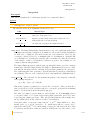
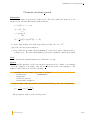
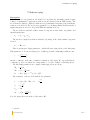
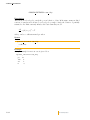
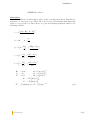
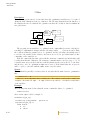
You can have either isotropic hardening scaling both the compressive and tensile behavior
(with a given ratio relating them), or use isotropic hardening in only the tensile, or only the
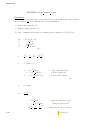
compressive with extra coefficients given for the non-hardening one. Probably the calling
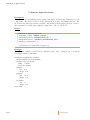
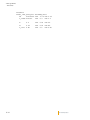
application requires that an R be given, so defining both Rt and Rc is not allowed.
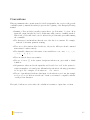
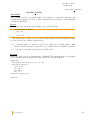
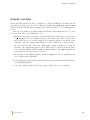
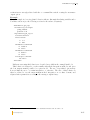
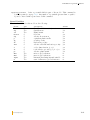
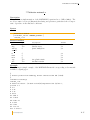
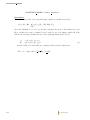
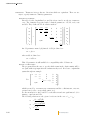
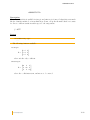
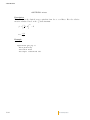
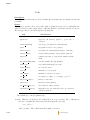
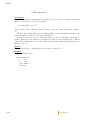
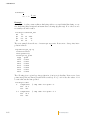
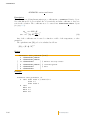
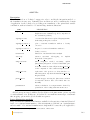
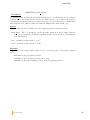
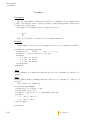
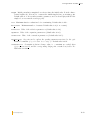
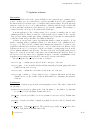
Rc
= ratio R
Rt = R
if ratio is entered
Rc
= Rc
Rt = R
if Rc is entered
Rc
=R
Rt = Rt
if Rt is entered
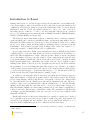
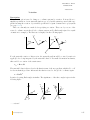
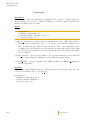
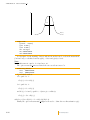
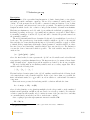
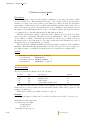
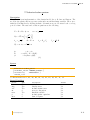
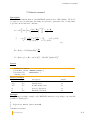
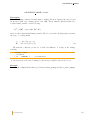
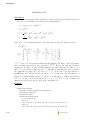
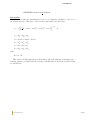
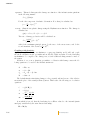
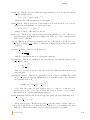
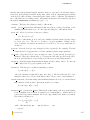
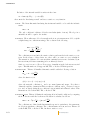
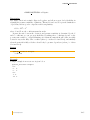
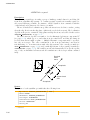
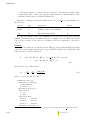
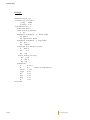
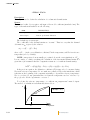
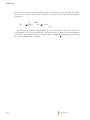
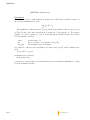
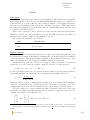
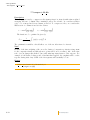
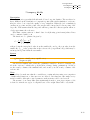
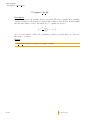
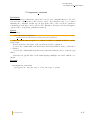
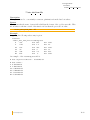
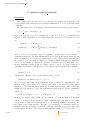
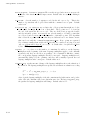
The different tension and compression yield values Rc and Rt are applied to two distinct
different yield functions as follows.
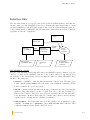
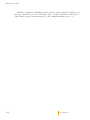
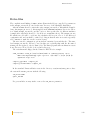
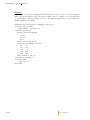
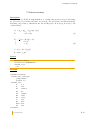
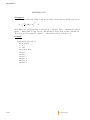
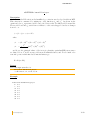
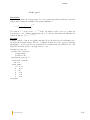
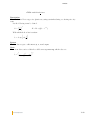
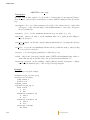
F1
F2
1/2
: s + Tr(σ)(Rc − Rt )
− (Rc Rt )1/2
1/2
= 32 s : s
− Rc
=
3
2s
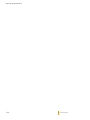
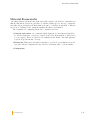
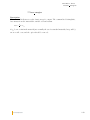
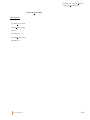
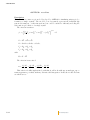
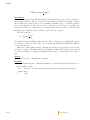
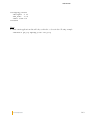
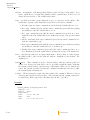
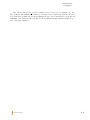
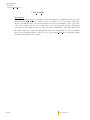
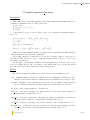
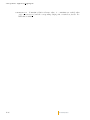
The transition from the tension
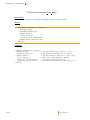
P yield F1 to the compression yield F2 is determined if the
trace of the effective stress σ − X is less than −Rc . See the section for the non_symmetric
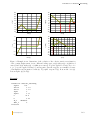
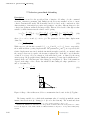
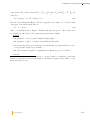
direct kinematic model on page 13.41 for a demonstration of the model’s effect.
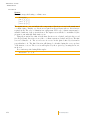
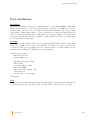
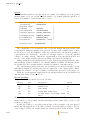
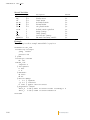
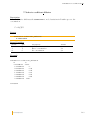
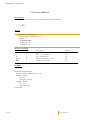
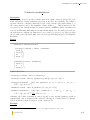
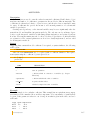
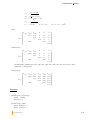
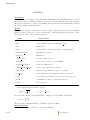
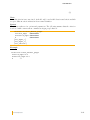
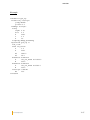
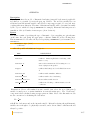
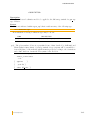
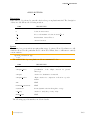
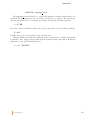
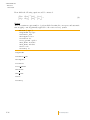
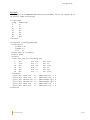
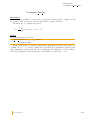
Syntax:
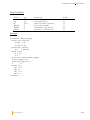
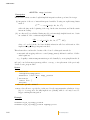
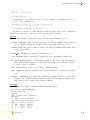
The basic input syntax here is:
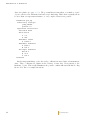
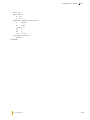
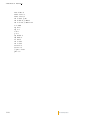
*criterion cast_iron
[ ratio value ]
[ Rc
value ]
[ Rt
value ]
[ associated 0 | 1 ]
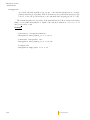
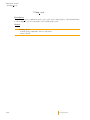
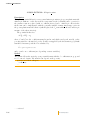
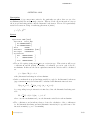
Only one choice of ratio Rc or Rt may be given as discribed above. If the associated is
set to 1, the F1 yield function will be used all the time. The default is associated behavior.
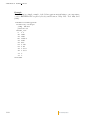
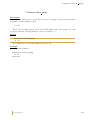
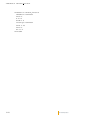
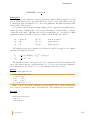
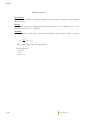
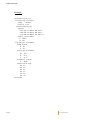
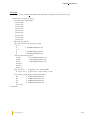
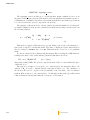
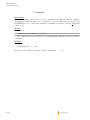
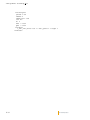
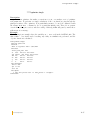
Example:
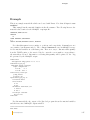
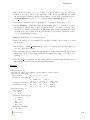
*criterion cast_iron
ratio 3.
associated 1
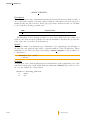
Z-set — Non-linear material
& structure analysis suite
13.17