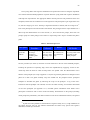
1
127
environment and prompter, and the need to somehow encode soft skills in employment-supporting
scripts.
One interesting extension of the metadesign (section 3.5) perspective was the request made by
caregivers for additional functionality from the MAPS script-design-environment. The first family
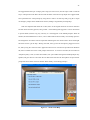
caregiver, irritated at scrolling up and down a directory box to locate the next sound recording for each
prompt, requested a better way to preselect the sounds all at once and then support the serial choosing
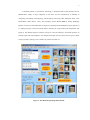
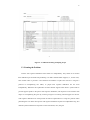
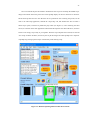
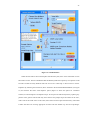
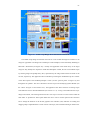
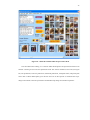
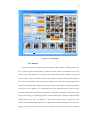
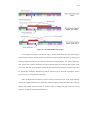
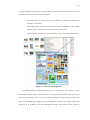
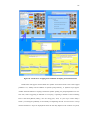
and inserting the wav files one at a time in the preselected order (see section 5.4.2.1 and Figure 30).
This was a natural consequence of the difference in the affordances provided by image files, which can
be looked at 16 at a time on a screen, whereas the sounds can either be looked at six at a time in the
directory box and requiring lots of annoying scrolling to find the right next file, or worse—if the
caregiver used meaningless file names—listened to one at a time. A prototype was delivered to the
caregiver, and upon further refinement, added as an option in the utilities menu bar (“Sort prompt files
for script”). Another requested MAPS modification was the group home caregiver’s addition of
forking and looping functionality to the system (see section 5.3.3). Again, a prototype was brought to
the caregiver, and with some small modifications it was folded into the release code of the MAPS
system.
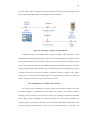
6.7.6. MAPS as a System
The goal of MAPS was to support independence, and several instances of this happened in the
process of realistic field trails. The first family dyad’s shopping task script was the most clear example
of supporting independence: the young lady using the script to successfully shop for family groceries
was a complete example of how computationally supported prompting could provide a lever to extend
the existing skills of a person with cognitive disabilities. Even the first script attempted, the “sweeping
the kitchen” script, which in many ways was not a success, was retained by the daughter. Regarding
her daughter’s new chore, the mom said, “She did not learn how to sweep the floor the way the script
showed her, my way; she sweeps the floor, but she does it her way.”
The second family dyad was not as clear a success, and this may illustrate an attempt to introduce
MAPS to a person with cognitive disabilities who may have been on the bottom edge of “able to use