1
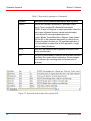
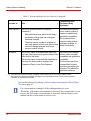
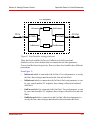
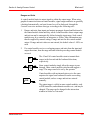
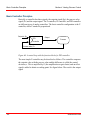
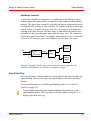
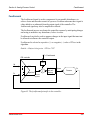
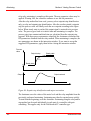
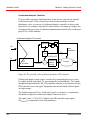
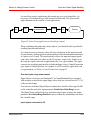
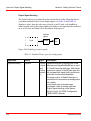
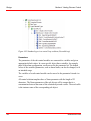
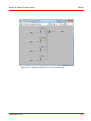
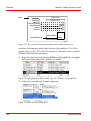
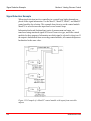
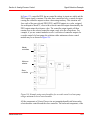
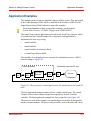
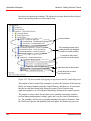
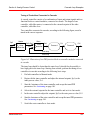
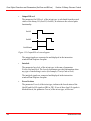
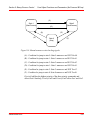
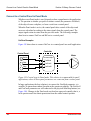
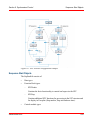
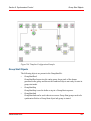
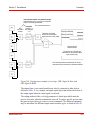
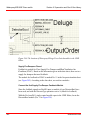
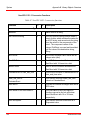
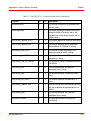
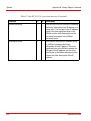
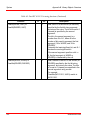
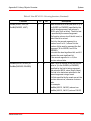
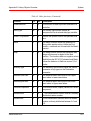
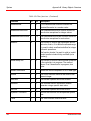
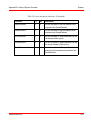
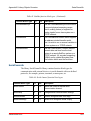
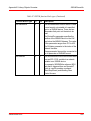
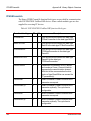
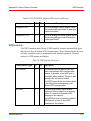
Section 4 Analog Process Control Signal Handling Split-Range Controller A split-range controller is constructed as a combination of the following control modules: input and output modules, a controller module and any of the branching modules. The output from a controller is then divided into two ranges which can be set independently, and may overlap each other. An example of the use of split-range control is when two control valves are used. The valves may be of different sizes working in the same direction. The lower range is connected to the smaller valve and when it is fully open, the upper range opens the larger valve. The valves may also work in opposite directions. For example, when a tank level is to be controlled. At lower levels, one valve opens, and at higher levels, the other valve opens. Sp Pv Analog Output PID controller Output Split- range Analog Output Figure 81. Example of split-range control where the output range from the controller is divided into two branches with different ranges Signal Handling The Control libraries contain a number of function blocks and control modules for signal handling. There are also types for signal handling in the Basic and Signal libraries. For a list and description of available signal handling objects, see Advanced Functions on page 176. Control Builder online help also contains additional information on specific signal handling objects. Select the object in Project Explorer, and press F1 to display online help for a type. 3BSE035981-600 175