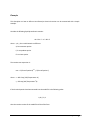
1
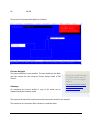
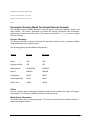
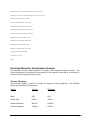
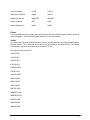
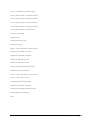
OLI Databook and the OLI Databanks OLI Databook allows the review of OLI's extensive databanks where the species physical and thermodynamic information are stored. The OLI databanks support the predictive thermodynamic framework of the simulation tools and may also be used as a reference library for information. Included are: most organic species in the DIPPR Project 801 data compilation (DIPPR is the Design Institute for Physical Properties which is administered by the American Institute of Chemical Engineers); many additional organic species on the United States EPA (Environmental Protection Agency) List of Lists and most of the inorganic chemistry of 78 elements from the Periodic Table. Additionally, OLI Databook has a facility for creating private user databanks, to allow species not covered in the OLI supplied databanks to be used in simulations. Supporting Data The OLI databanks also contain supporting information on species properties. This information includes literature references, data quality (i.e., accuracy) and, where applicable, source and experimental data. OLI Supplied Databanks The data for chemical species are organized into several separate databanks which support a wide spectrum of chemistry. These databanks include: PUBLIC This databank contains thermodynamic and physical properties for nearly 10,000 different organic and inorganic chemicals and is used by the OLI Software to carry out simulations. MSEPUB This is the mixed‐solvent electrolyte public database. It is a subset of the aqueous framework PUBLIC Database. OLI ESP User Guide Overview 21