1
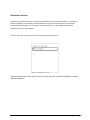
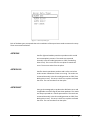
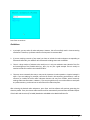
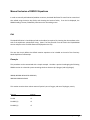
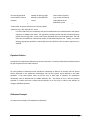
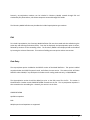
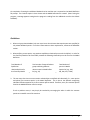
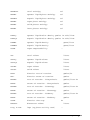
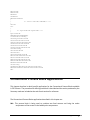
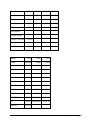
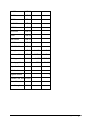
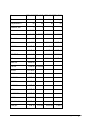
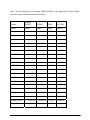
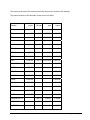
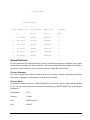
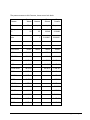
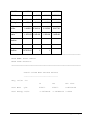
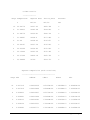
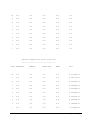
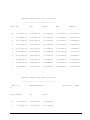
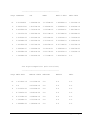
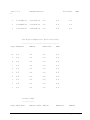
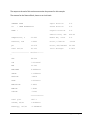
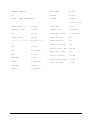
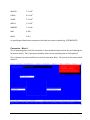
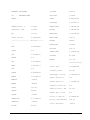
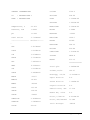
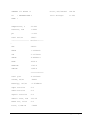
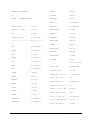
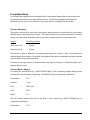
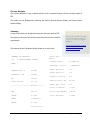
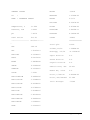
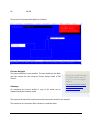
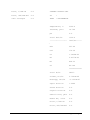
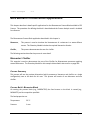
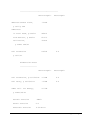
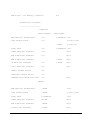
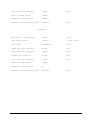
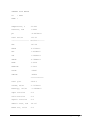
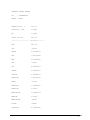
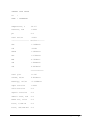
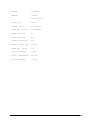
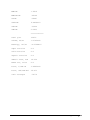
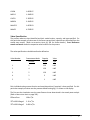
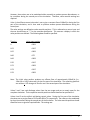
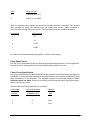
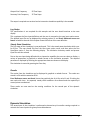
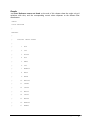
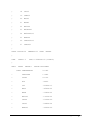
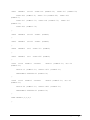
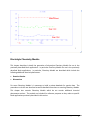
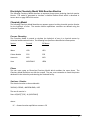
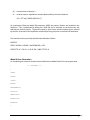
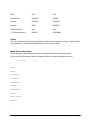
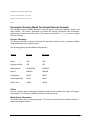
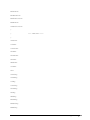
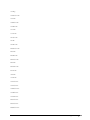
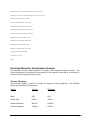
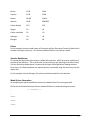
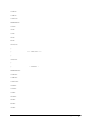
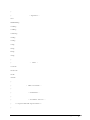
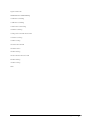
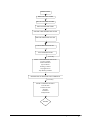
Scaling tendencies are a measure of how close to saturation a solid species is in the sample at the specified conditions. The higher the scaling tendency value the closer the solid species is to burning. Scaling tendencies greater than 1.0 indicate that the formation of solids is likely to occur for those species at the system conditions. The report lists the scaling tendencies from the highest to the lowest value. Species equilibrium constants, and temperature range limitations (when available) are also detailed in the report. Guidelines 1. It is recommended that an initial WaterAnalyzer evaluation be performed using a "scaling tendency only" Chemistry Model (Reference pg. for further details). 2. After this initial evaluation is completed, the user should view the Scaling Tendency Report to determine the likelihood of any solid species existing in the sample. If any species scaling tendencies are greater than 1.0, it is recommended that the Lab Entry Chemistry Model be updated to include these solids in the Model Definition. Re-Evaluation To perform a re‐evaluation, the user should return to the Chemistry Model and include the solid species of interest The Model Solver files should then be re‐generated and a water analysis evaluation repeated. Ionic Composition Report This report summarizes the full speciation of the sample without distinguishing physical phases. Ionic Phases Report This report summarizes the full speciation of the sample distinguishing physical phases. It is advisable to perform an electroneutrality reconciliation on the sample prior to reconciling pH. This allows the user to set the calculated pH of the sample based on the user defined composition data, and analyze the composition of the sample further. OLI ESP User Guide ToolKit 238