1
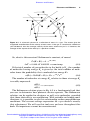
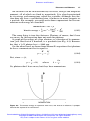
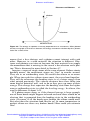
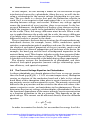
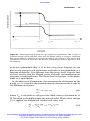
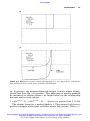
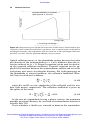
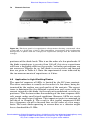
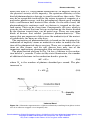
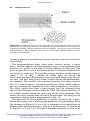
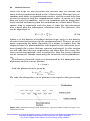
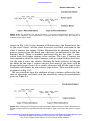
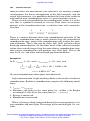
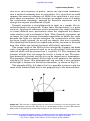
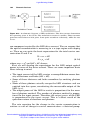
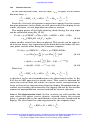
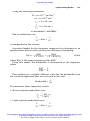
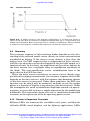
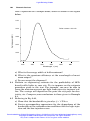
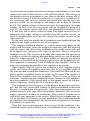
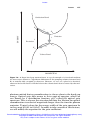
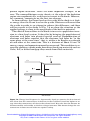
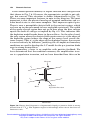
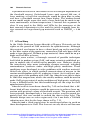
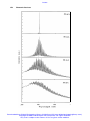
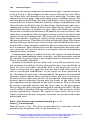
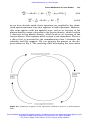
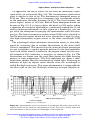
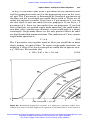
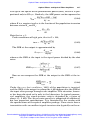
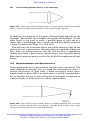
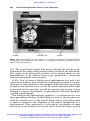
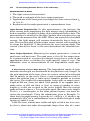
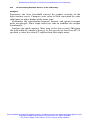
Electrons and Photons 22 Introductory Concepts Figure 2.6. The proposition by de Broglie in his thesis that the stable orbits of electrons in atoms are like waves of water in a closed circular tank. Translation of the boxed portion: “The propagation (of the electron) is therefore analogous to that of a wave of liquid in a tank that forms a closed path. In order to have a stable condition for the wave, it is physically evident that the length of the tank must be in resonance with the wave. In other words, the portions of the wave that are located a full length l of the tank behind preceding portion of the wave must be in phase with the preceding portion. The condition for resonance is l = n.” tion for the existence of a standing wave is that the length of the circuit be an integral number of wavelengths of the standing wave. There are only certain fixed lengths of the tank that can support standing waves. The possible tank lengths are given by the relation L = n. The argument of de Broglie contains no equations. If we substitute the resonance condition of de Broglie into Eq. 2.29 (remember that R = 1/2) we get: 冢 冣 l h m0v ᎏ = n ᎏ 2 2 m0v(n) = nh h m0v = ᎏ (2.30) Equation 2.30 says that the electron has a wavelength that is inversely proportional to its momentum. This simple equation does not appear in de Broglie’s thesis, nor does the extension of this result to free electrons or other particles like photons. However, de Broglie let Downloaded from Digital Engineering Library @ McGraw-Hill (www.digitalengineeringlibrary.com) Copyright © 2004 The McGraw-Hill Companies. All rights reserved. Any use is subject to the Terms of Use as given at the website.